
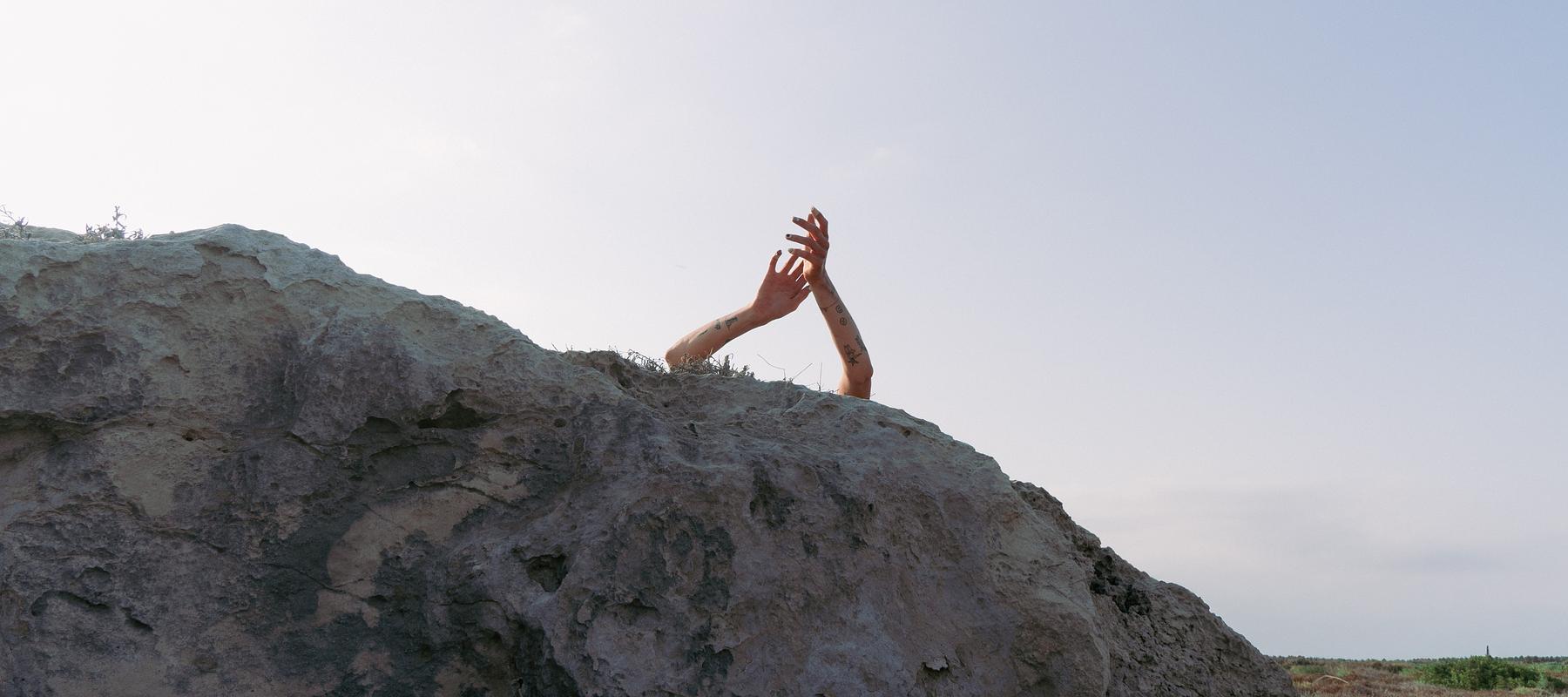
CARRIED
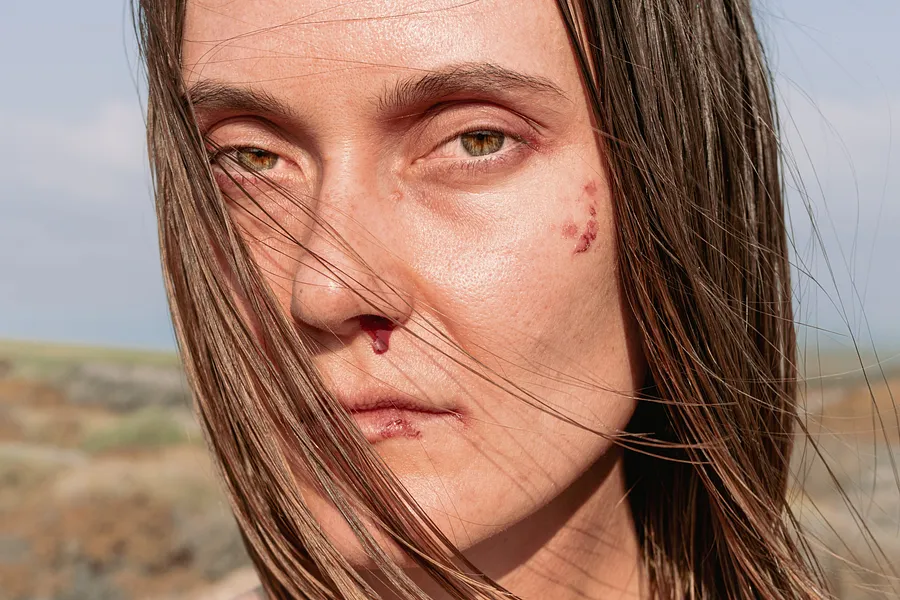
The series explores burden not as a temporary obstacle that can be ultimately overcome, but as one of the enduring conditions of human existence. It addresses the experience of confronting something that exceeds one's available strength: loss, responsibility, fear, social pressure, or the consequences of lived experience. The work deliberately leaves the specific origin of this pressure undefined. What matters is not what a person carries, but how an invisible weight transforms the body, its movement, and its way of being in the world.
The stone materializes this weight. It does not illustrate a particular trauma or problem, but becomes the physical equivalent of something a person is compelled to take upon themselves and cannot simply leave behind. Its scale disrupts the familiar relationship between the body and an object: what should remain immobile is placed on a person's shoulders and begins to determine their posture, direction, and pace of movement.
Visually, the series juxtaposes two forms of matter. The stone appears immutable, heavy, and capable of outlasting human life. The body, by contrast, is sensitive, limited, and mortal. Yet it is the body that gives the stone movement. This contradiction establishes the central tension of the work: that which is vulnerable is, at the same time, the only bearer of will.
Nudity removes clothing, social status, and the external signs of protection. It is neither used to suggest absolute helplessness nor intended as a decorative element. The naked body makes the cost of exertion visible: tension, exhaustion, fear, and the need to stop. Its honesty lies in the impossibility of concealing the physical response to weight. Vulnerability does not negate determination; the two exist simultaneously.
The interaction between the body and the stone does not form a heroic narrative of triumph. The person attempts to lift the burden, carries it, falls beside it, leans on it, and continues moving again. The stone may become an obstacle, a load, a source of support, or almost an extension of the body, but it does not disappear. Only the way of coexisting with it changes.
The series rejects the notion that strength means invulnerability or the ability to rid oneself of pain once and for all. Instead, it poses a different question: what does it mean to continue when circumstances remain unchanged and the source of pressure cannot be removed? The answer emerges not in a moment of triumph, but in the repeated decision to take on the weight again, acknowledge the limits of one's own body, and keep moving nonetheless. Vulnerability emerges not as the opposite of endurance, but as the condition through which endurance becomes visible.
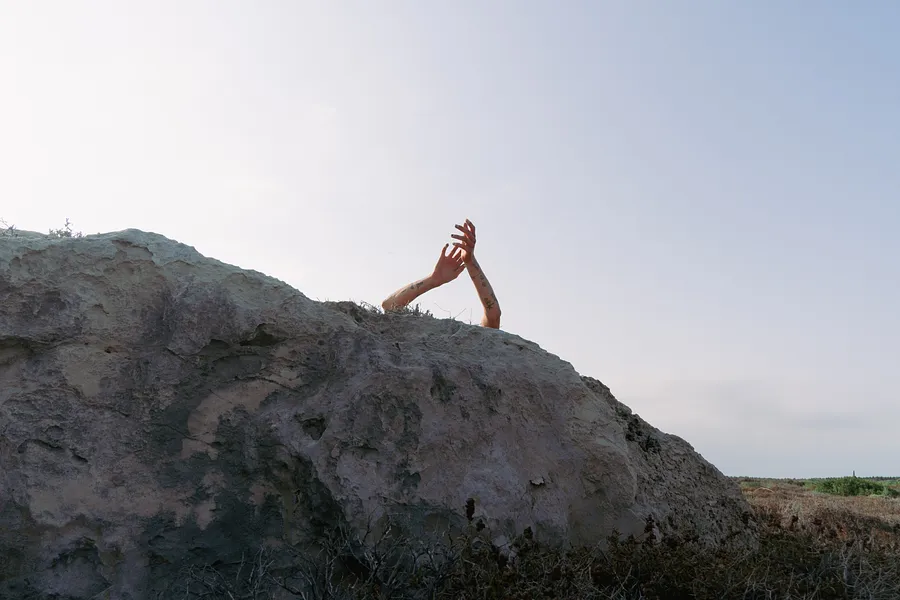
CARRIED, 1
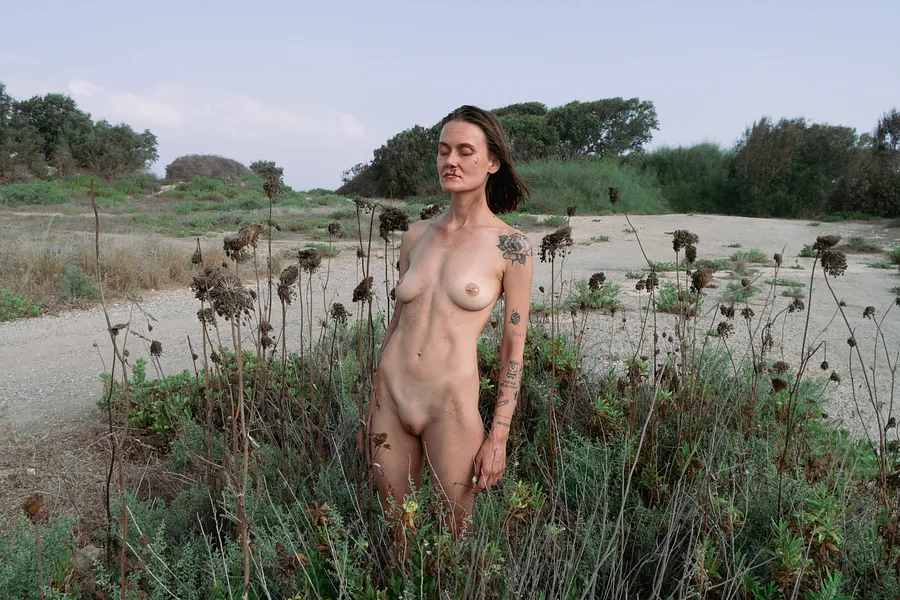
CARRIED, 2
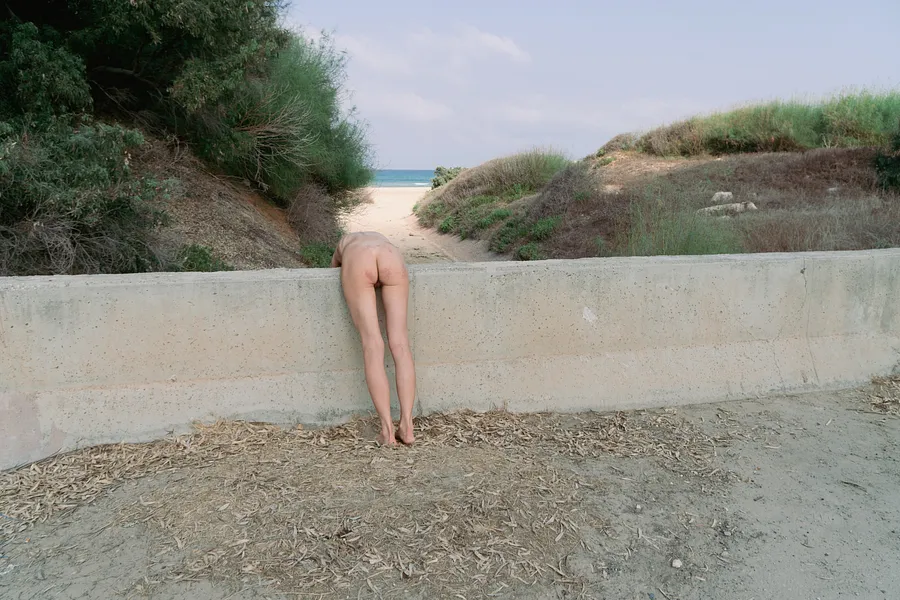
CARRIED, 3
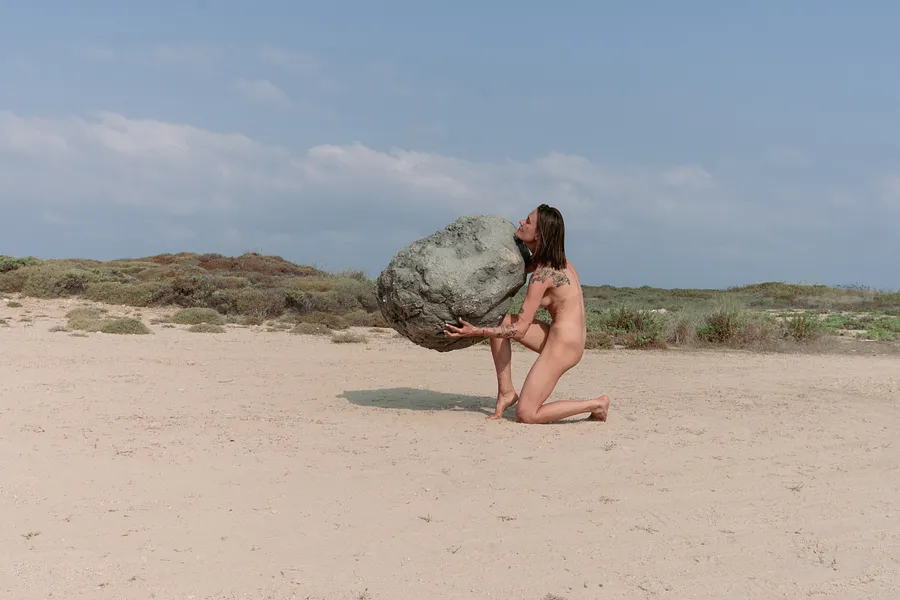
CARRIED, 4
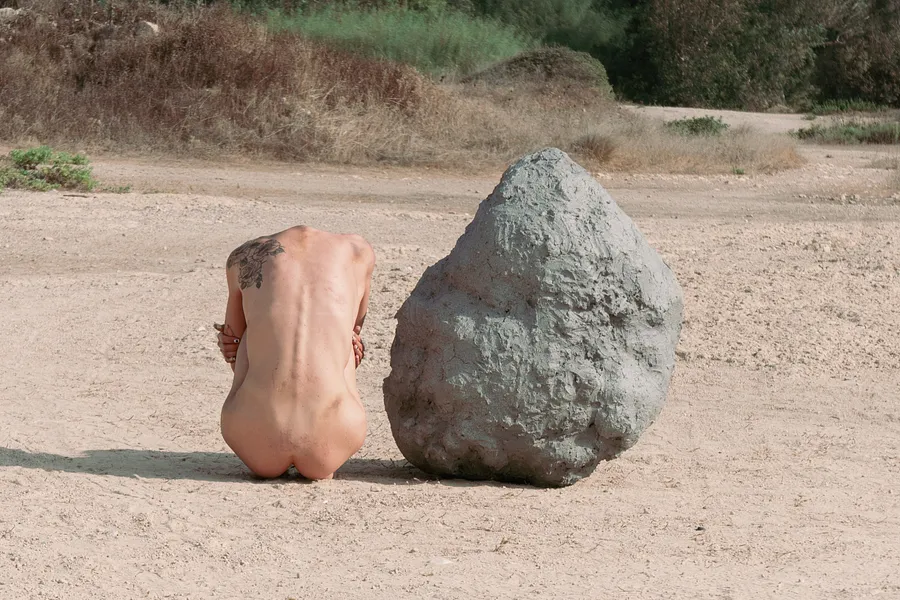
CARRIED, 5
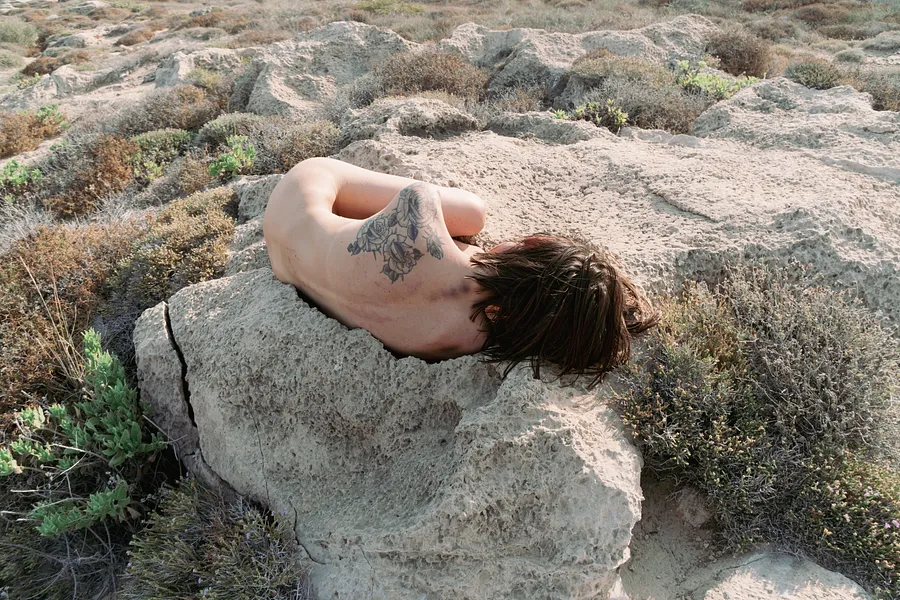
CARRIED, 6
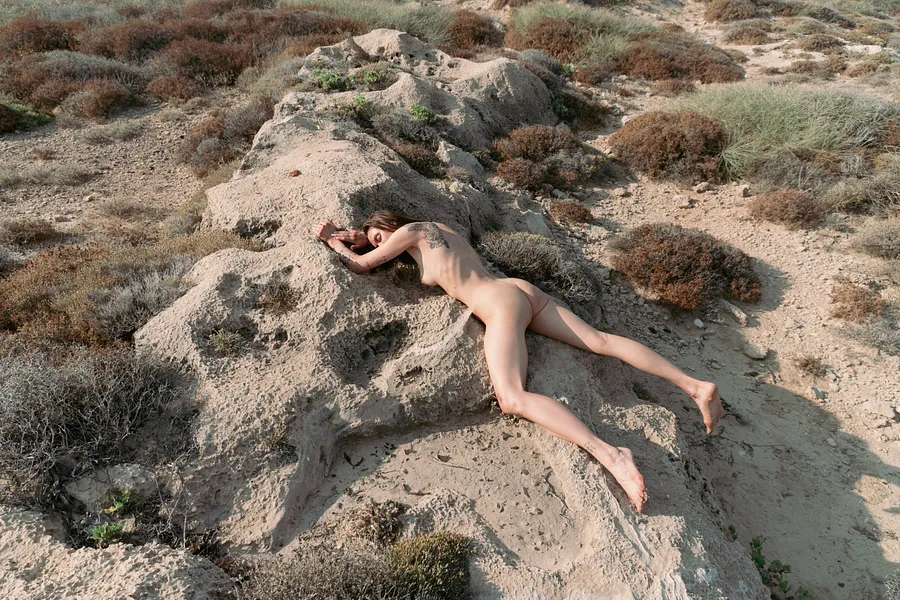
CARRIED, 7
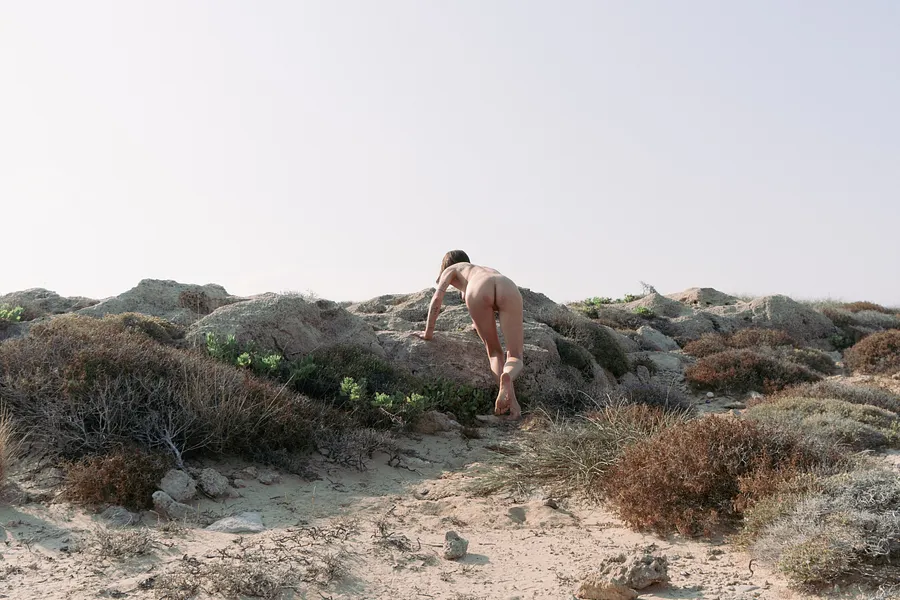
CARRIED, 8
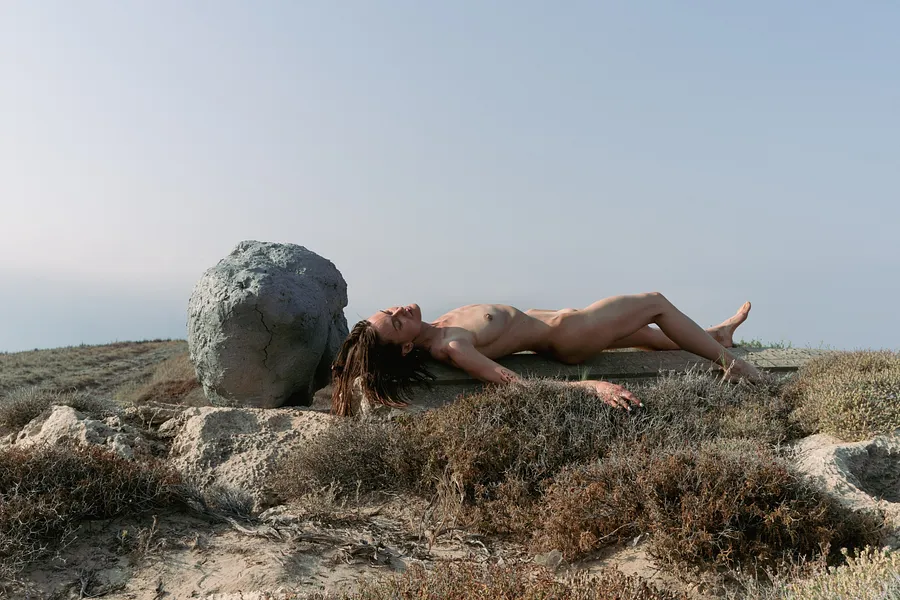
CARRIED, 9
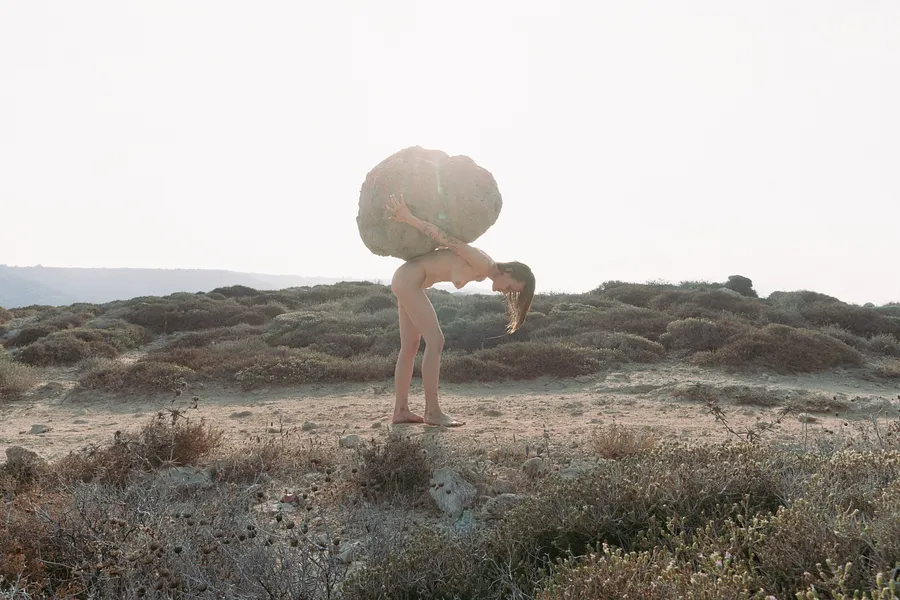
CARRIED, 10
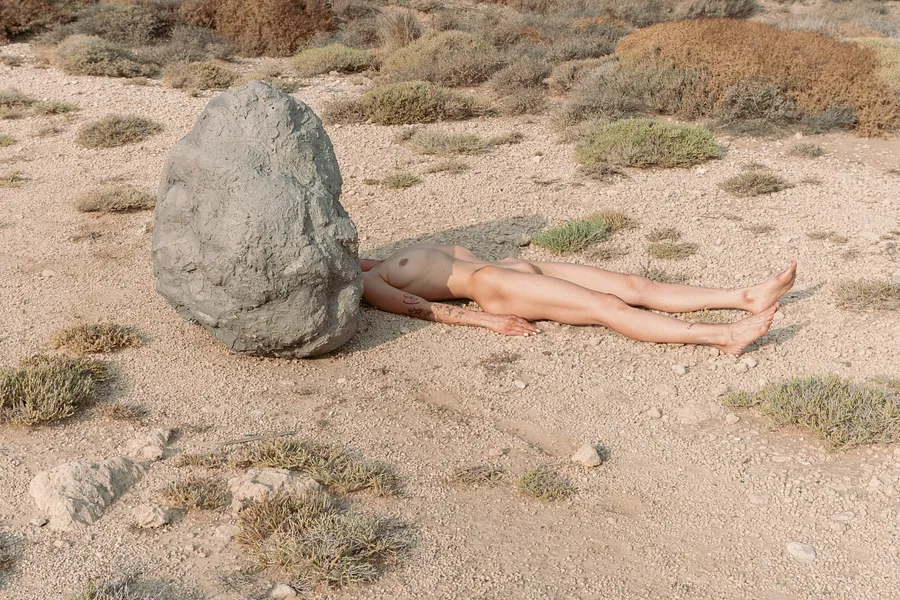
CARRIED, 11
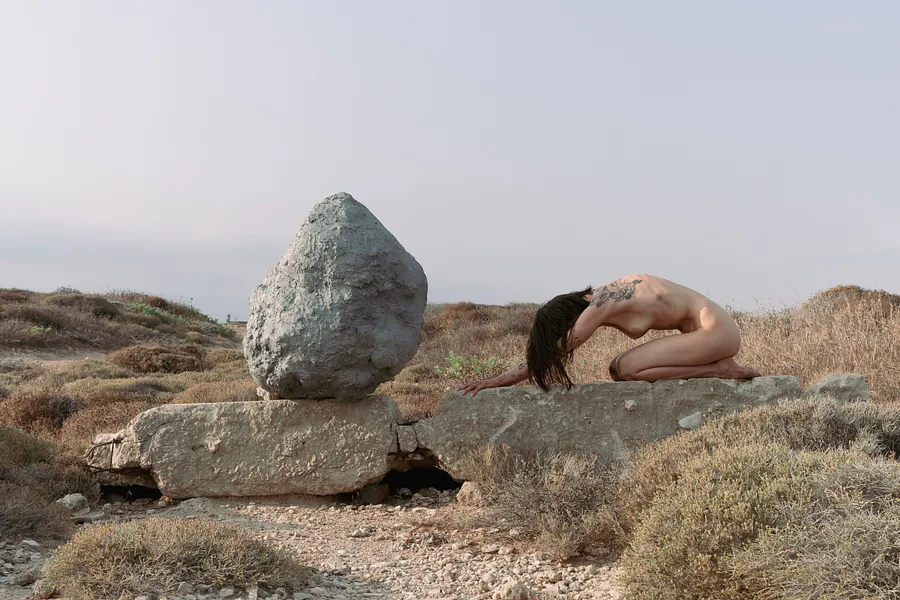
CARRIED, 12
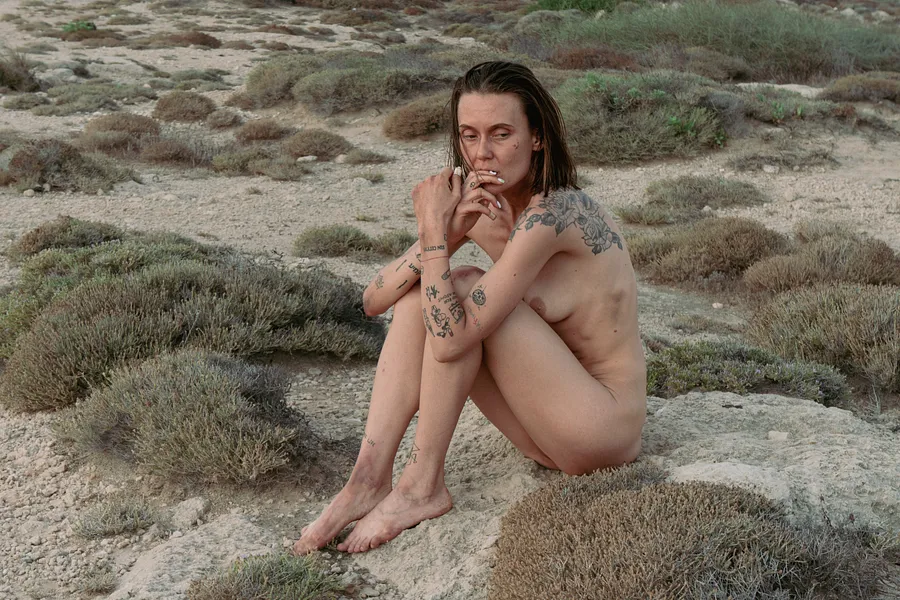
CARRIED, 13
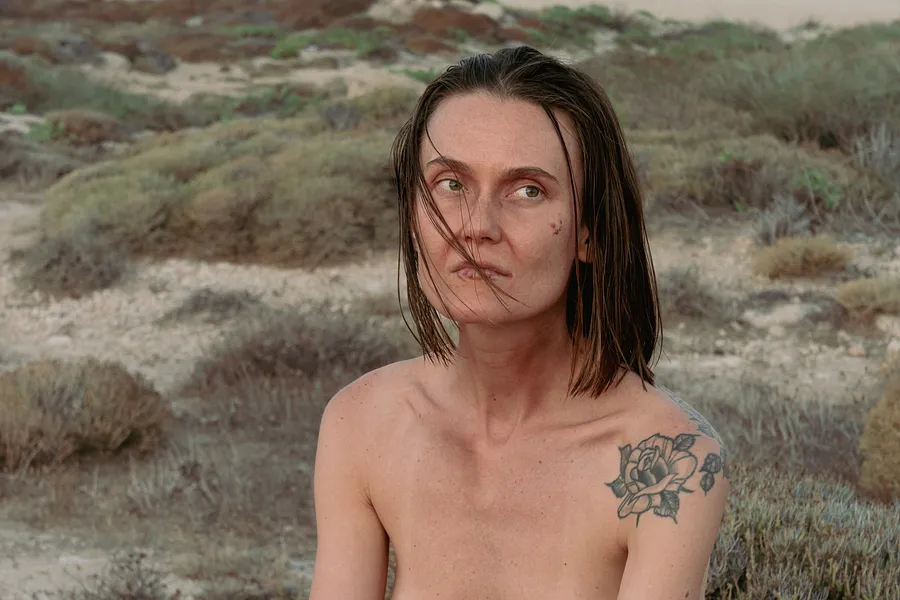
CARRIED, 14
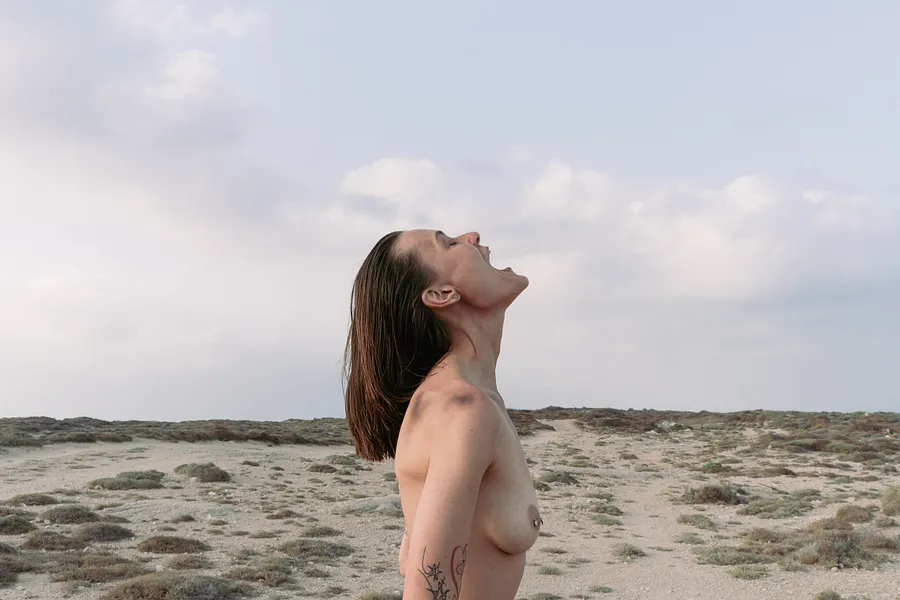
CARRIED, 15
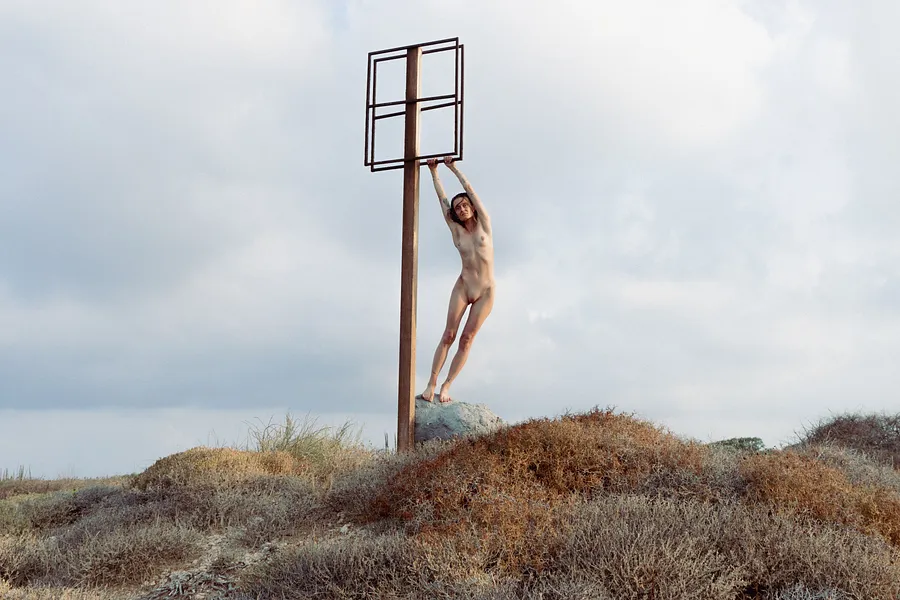
CARRIED, 16
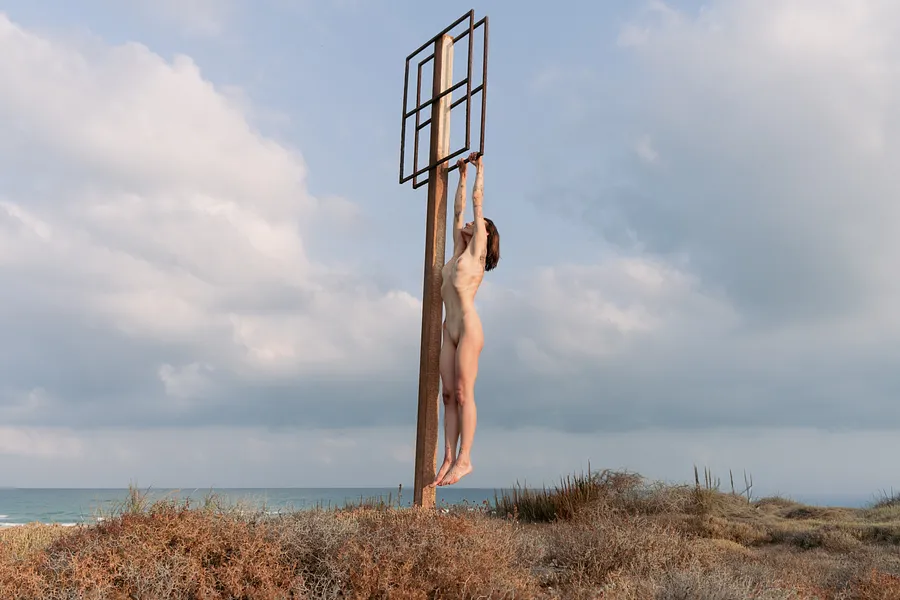
CARRIED, 17