THE SAME THREAD
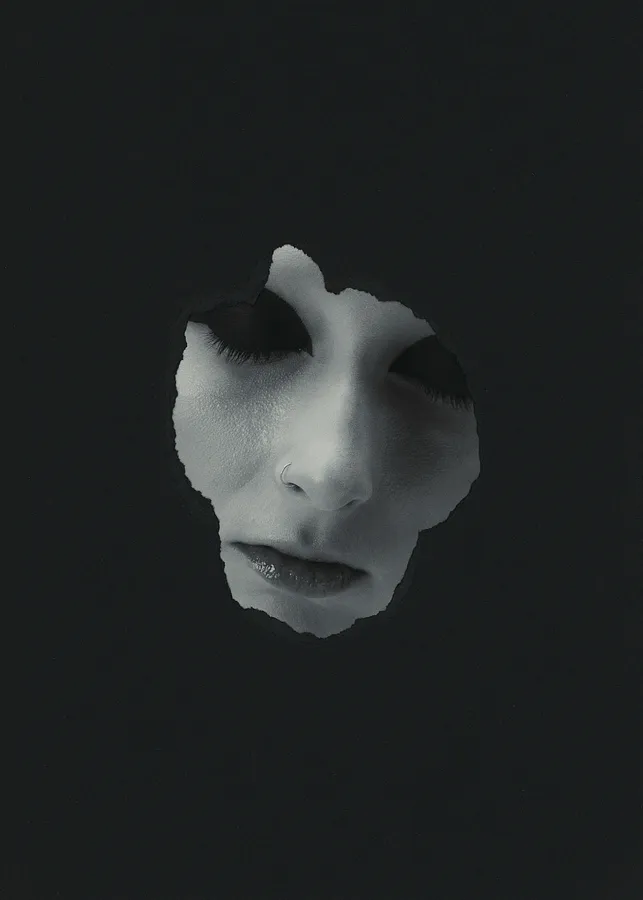
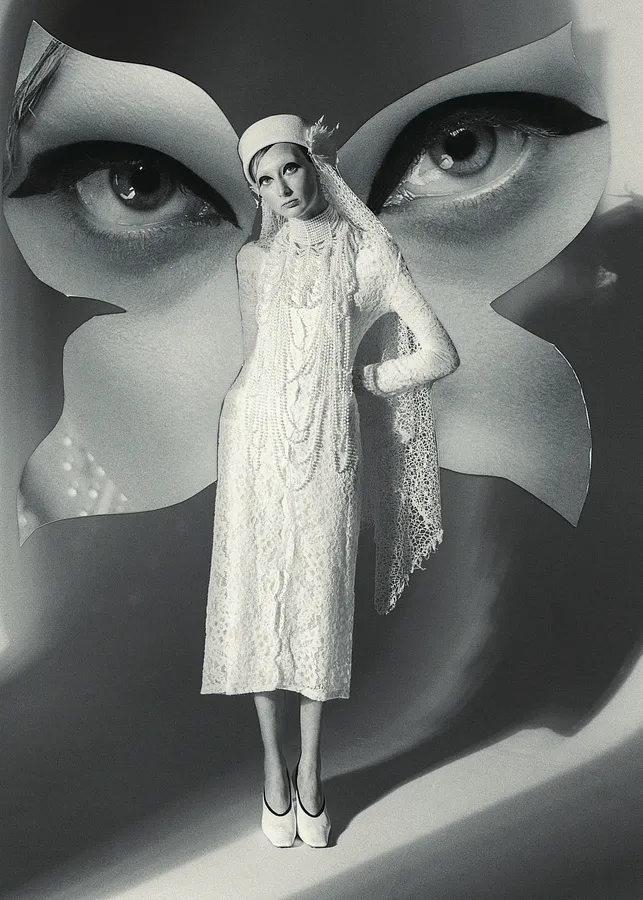
The series The Same Thread explores human identity as a space in which contradictory inner forces coexist. It begins with the question: is it possible to draw a clear boundary between the light and dark sides of a person when both belong to the same experience, shape one another, and constantly exchange places?
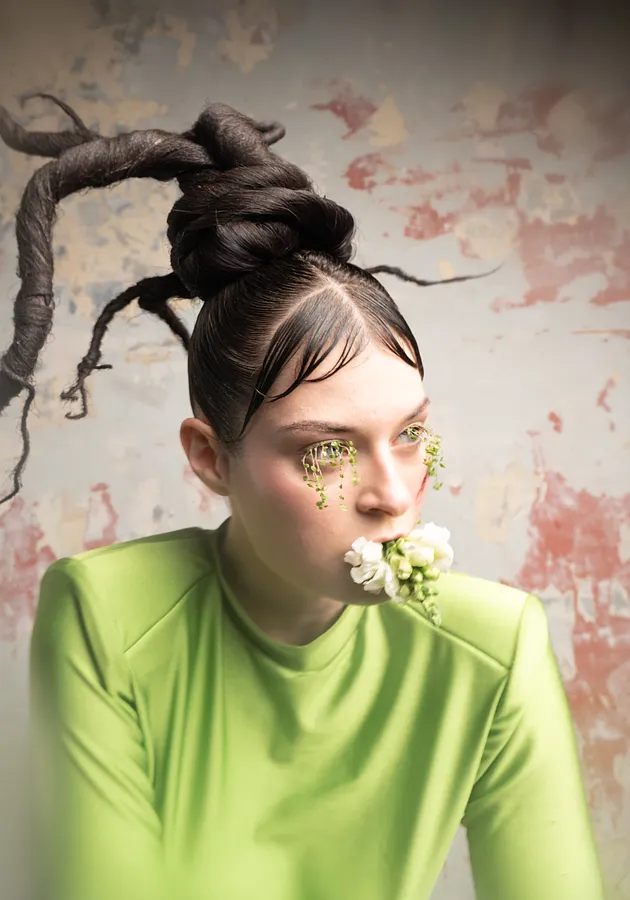
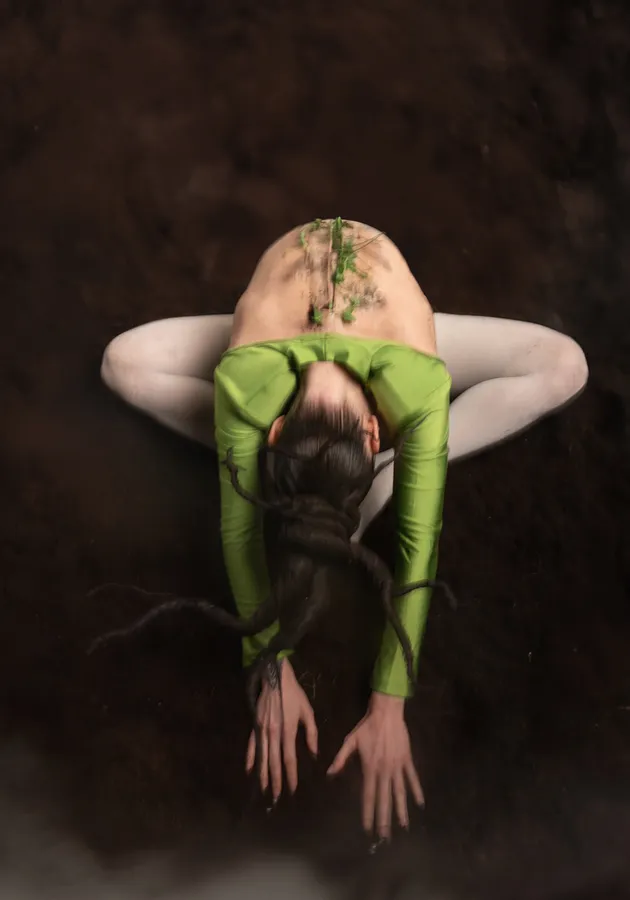
Within the project, light and darkness are not equated with good and evil. They are understood as different modes of human presence. Light may signify what is conscious, controlled, and socially acceptable—what a person is able to name, reveal, and incorporate into their public image. Darkness is associated with what remains unspoken: instinct, fear, aggression, desire, shame, inner strength, or experiences that resist complete control. Yet neither of these parts is absolute. Light can also function as a mask, a means of self-discipline, or a form of repression, while darkness may contain the energy of resistance, honesty, and the potential for transformation.
The project rejects the idea of the human being as a coherent and consistent construction. Identity emerges not as a finished image, but as an ongoing process of negotiation between different states of the self. These states do not exist as two autonomous personalities. They permeate one another, alter perception, and leave traces even when one side temporarily becomes invisible.
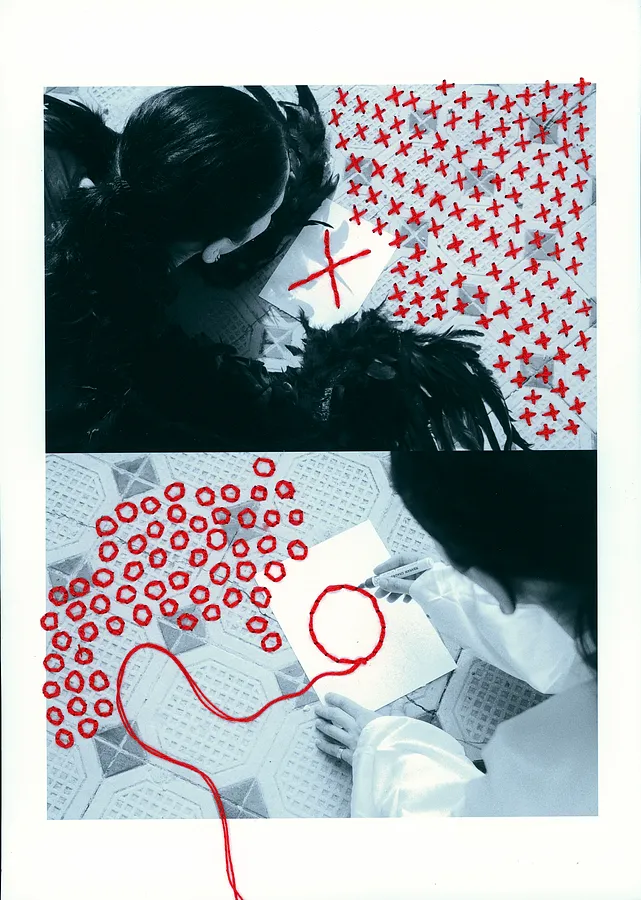
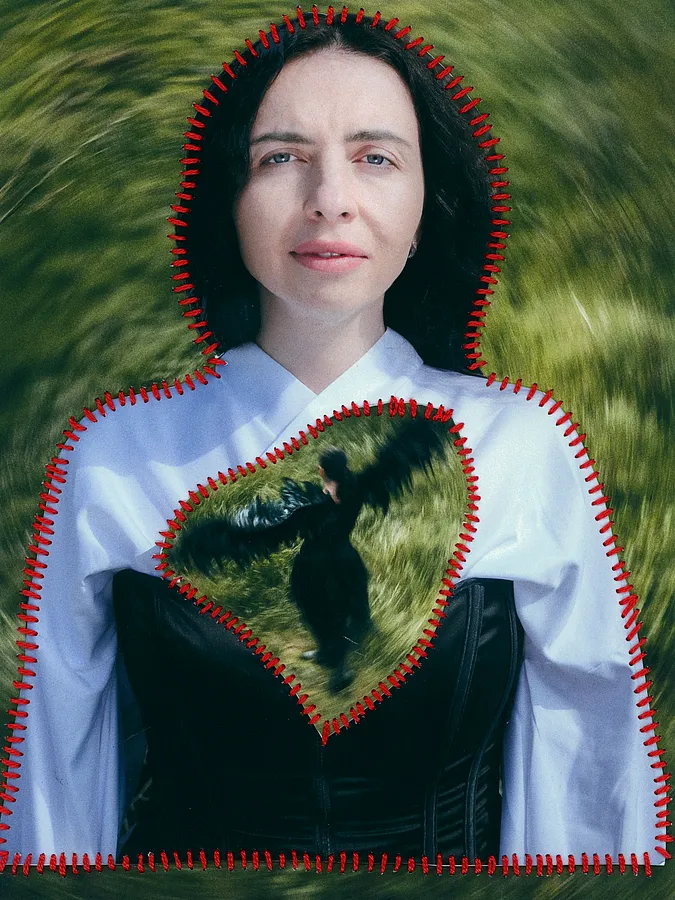
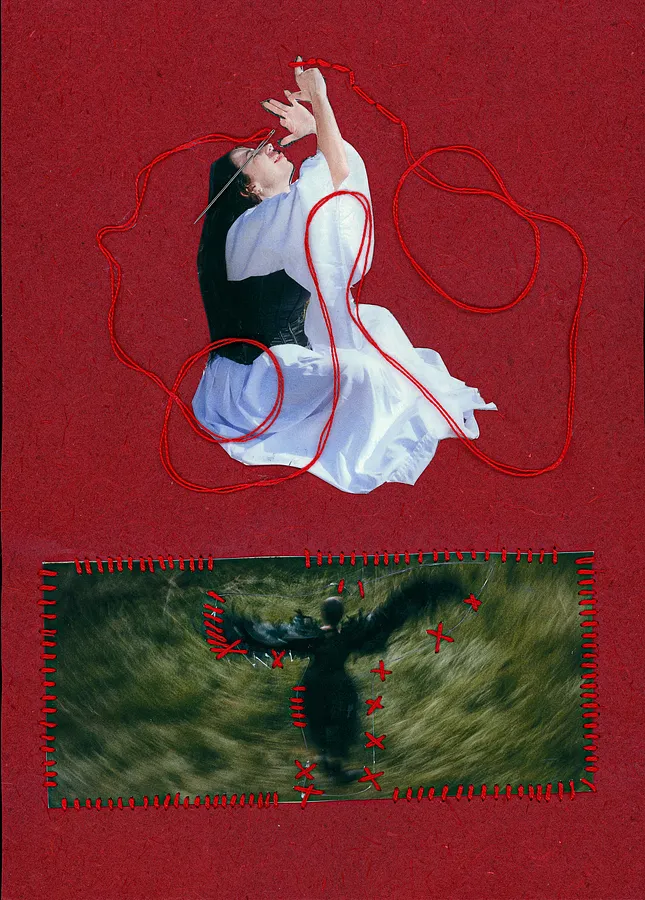
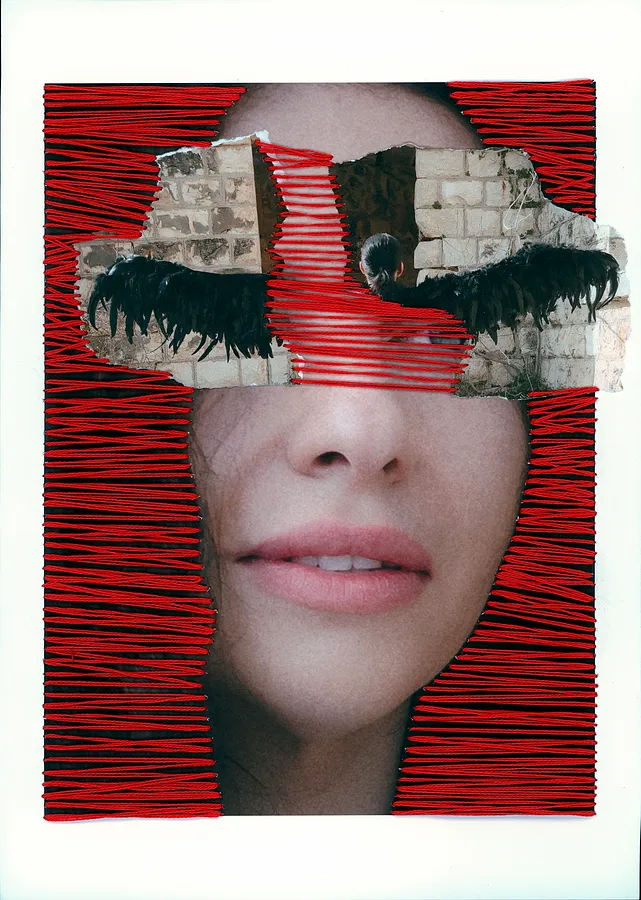
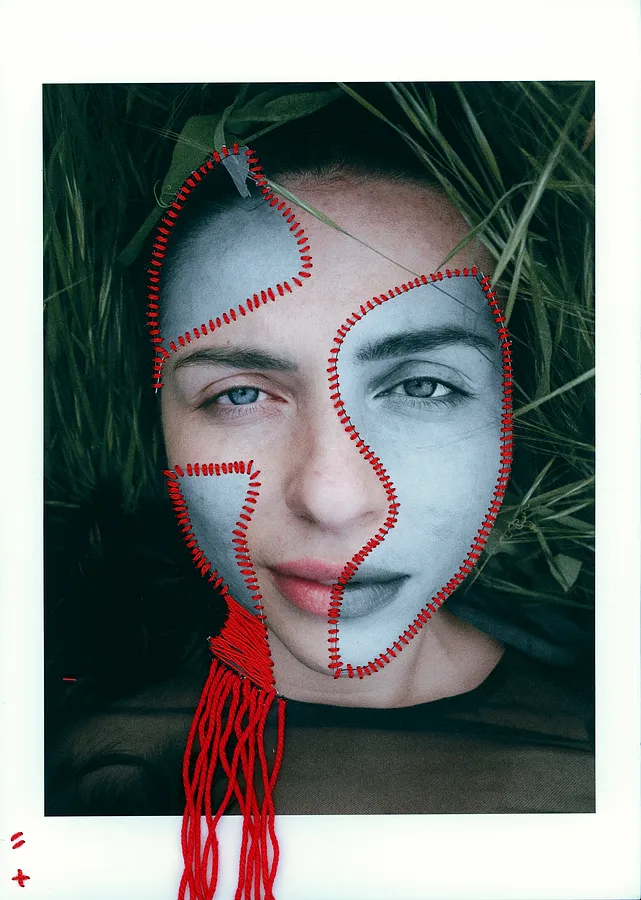
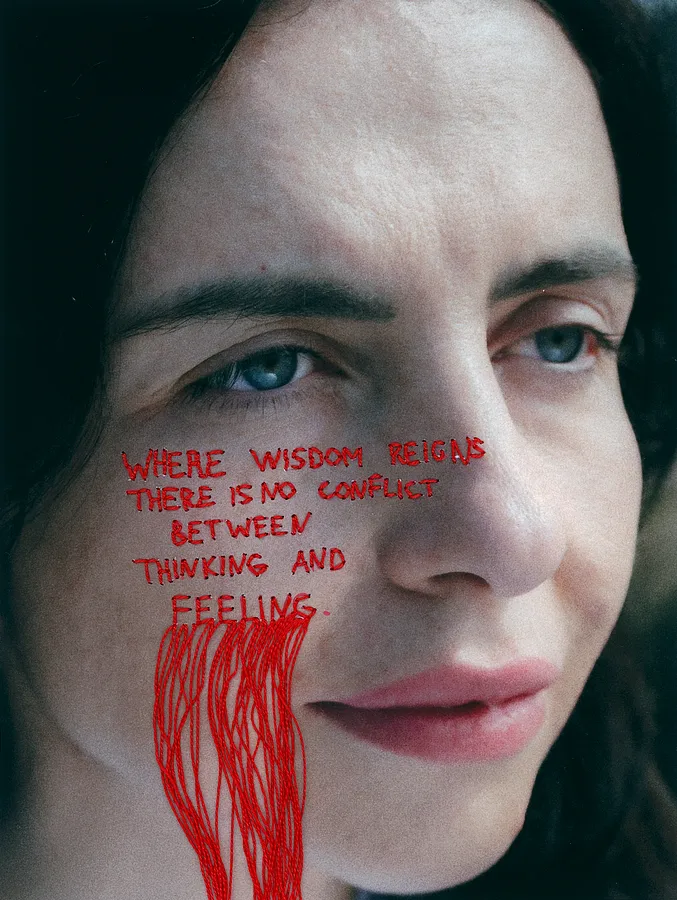
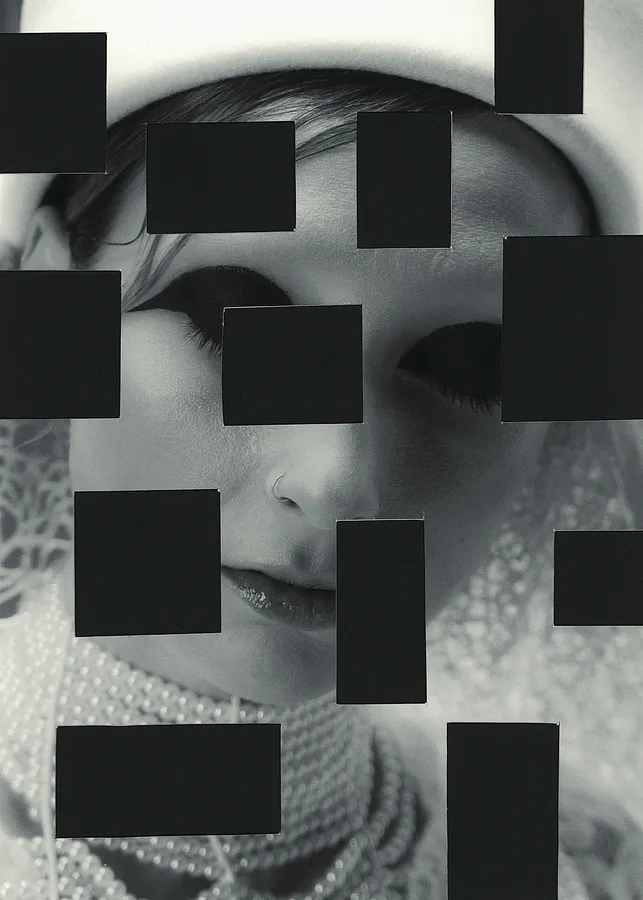
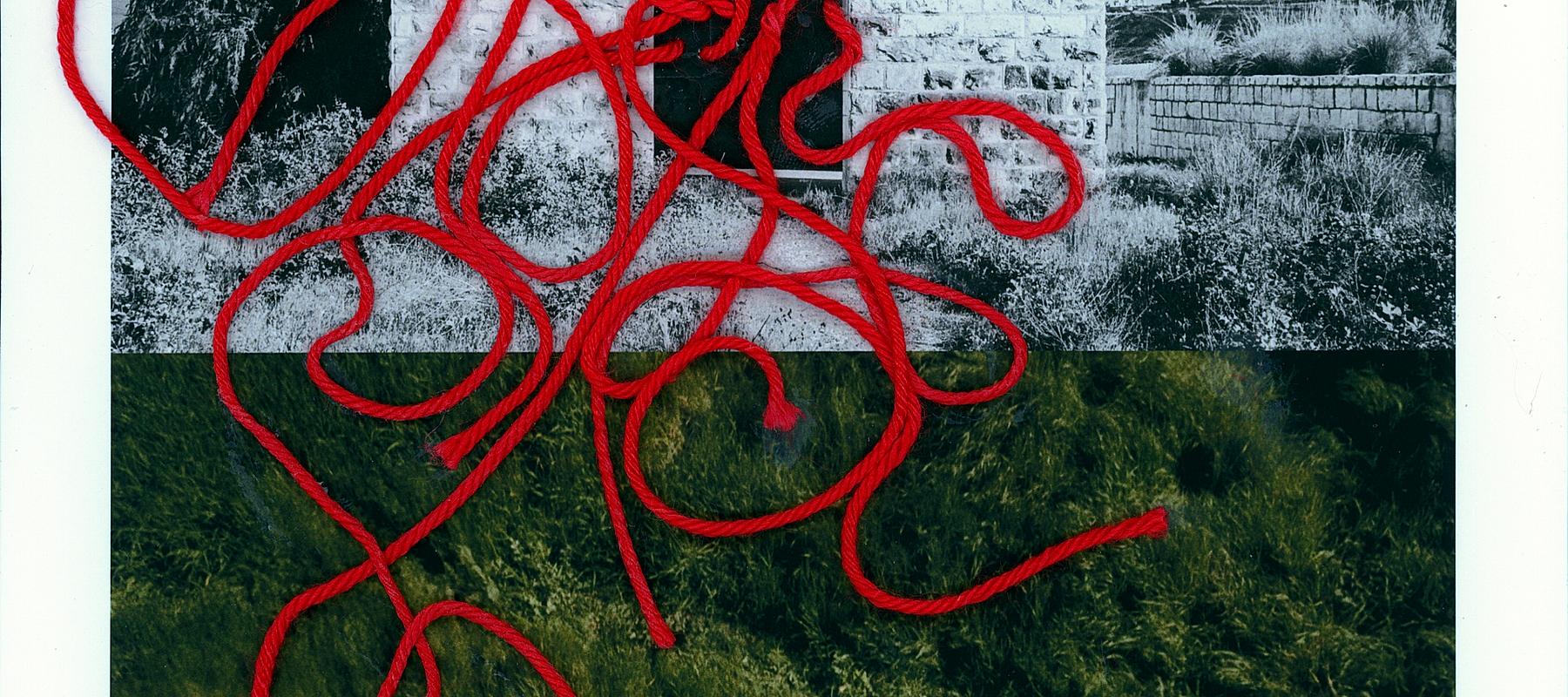
The use of mixed media allows this inner process to be transferred onto the material surface of the work. Photography, which is commonly perceived as a record of a stable likeness, is cut, stitched, overlapped, and combined with other fragments. Embroidery physically passes through the image. It disrupts its integrity while simultaneously holding its parts together. The stitch thus becomes a contradictory gesture: it bears witness to separation while attempting to overcome it.
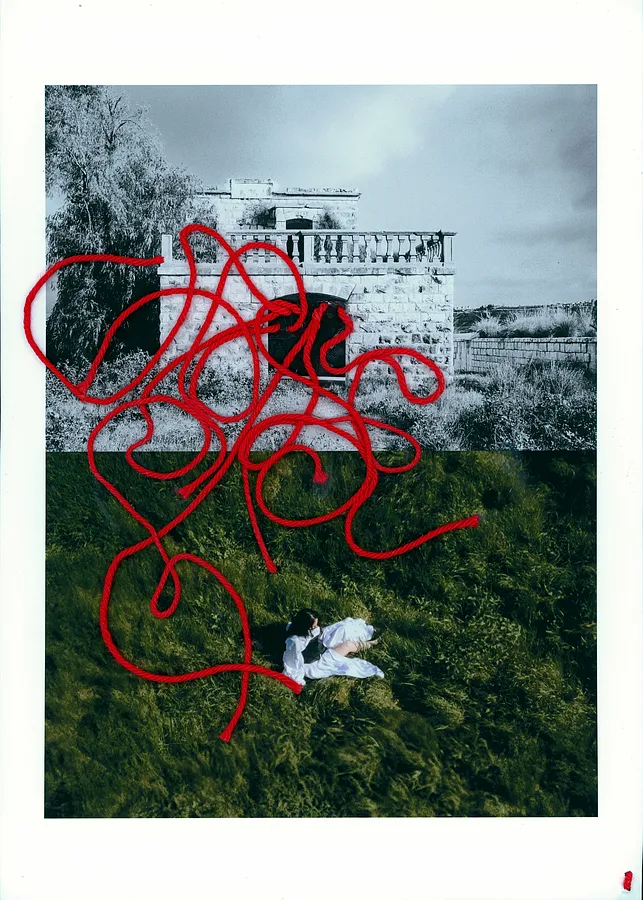
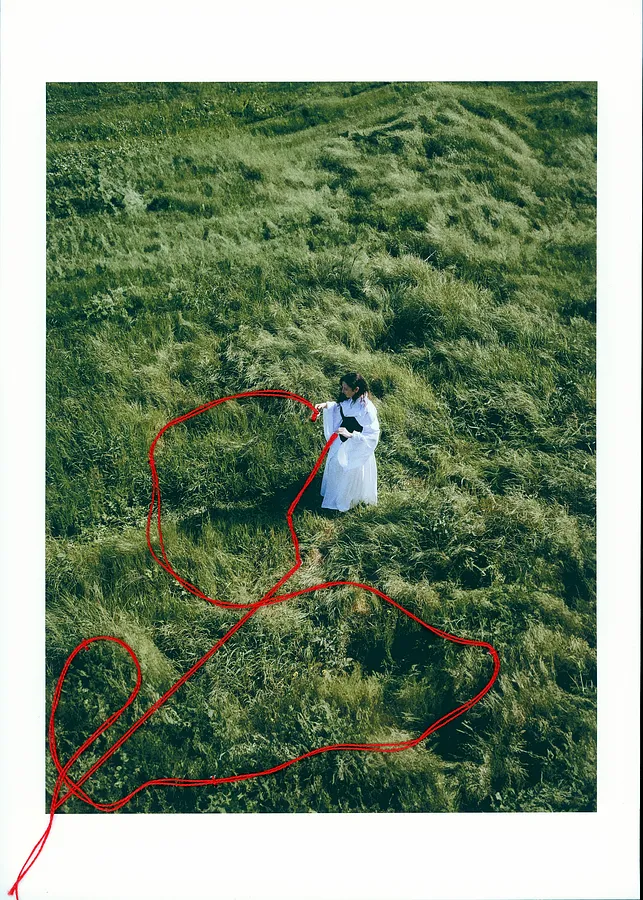
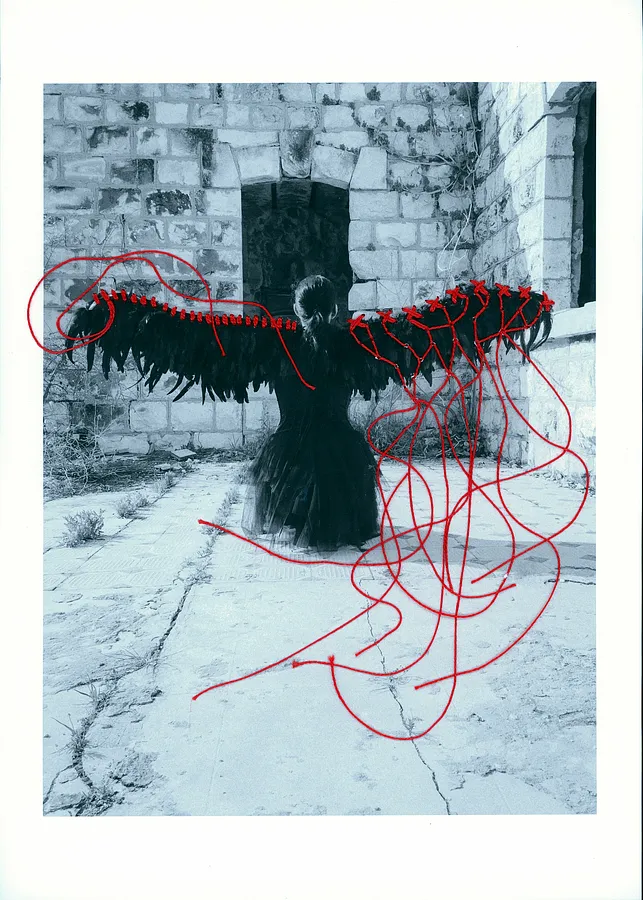
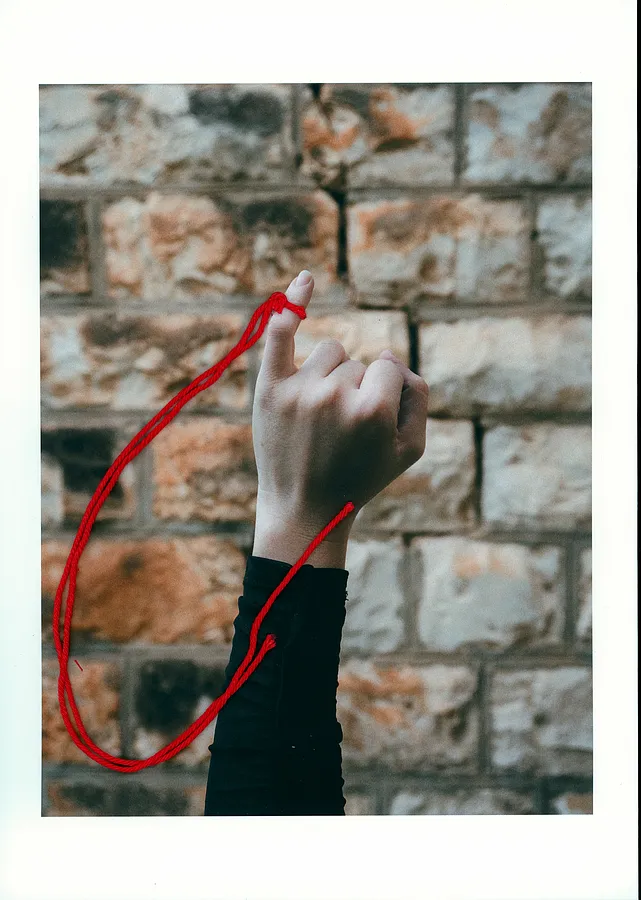
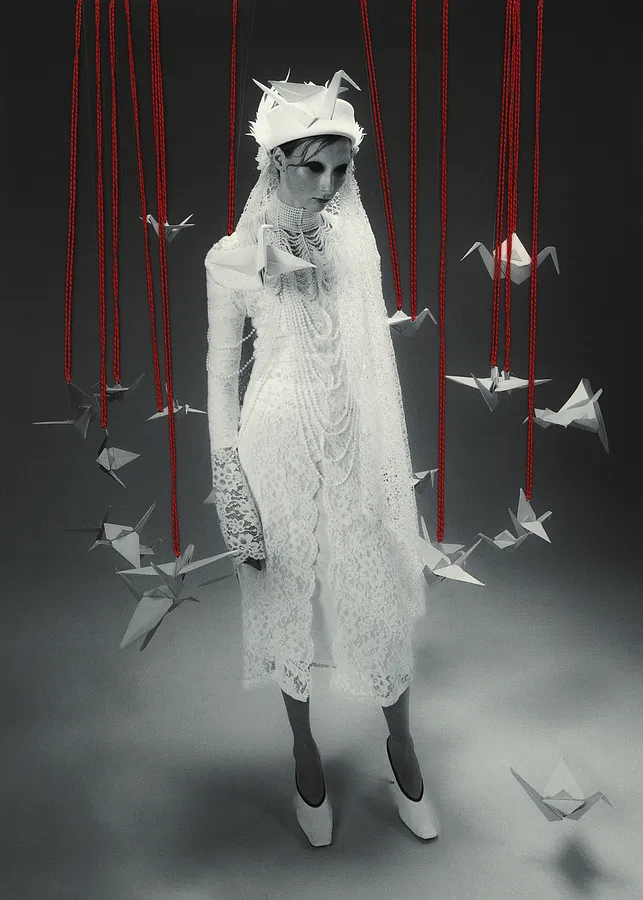
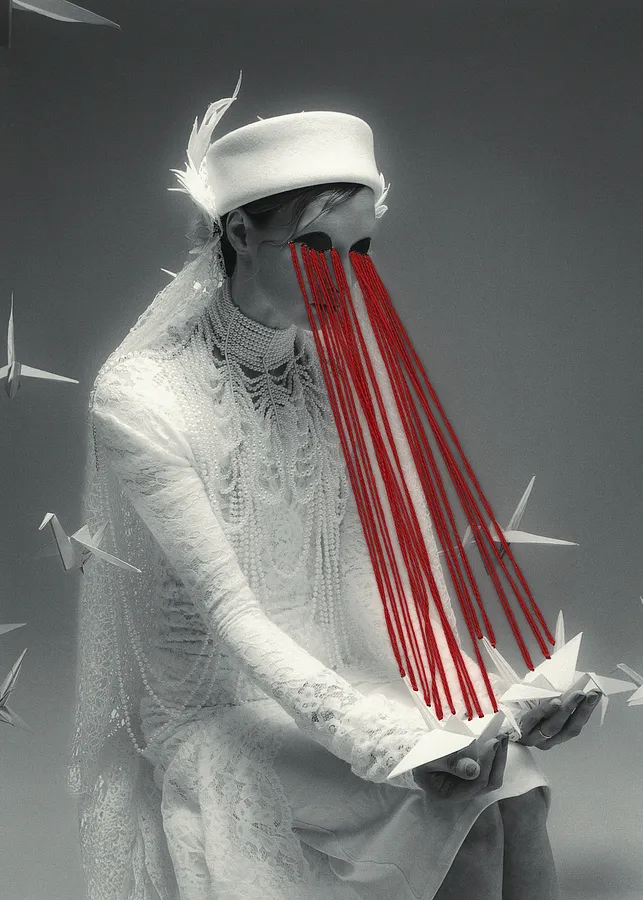
The red thread functions as a material representation of an inner connection. It joins different states, outlines absent forms, penetrates the portrait, and extends beyond its boundaries. In some works, it evokes the nervous system or blood circulation; in others, a knot, a constraint, or a route that cannot be traced to its end. The thread can provide support, but it can also bind; it can stitch a wound closed while leaving it visible; it can establish a boundary while simultaneously passing through it. Its meaning is never fixed—it changes alongside the psychological state of the person depicted.
The opposition between black and white likewise fails to establish a stable system. These are not two complete poles between which a choice must be made, but shifting zones of visibility. What appears light may conceal darkness; what is perceived as dark may prove to be a necessary part of self-preservation. The boundary between them is constantly shifting, while the recurring faces and figures emphasize that these are not different characters, but different configurations of the same individual.
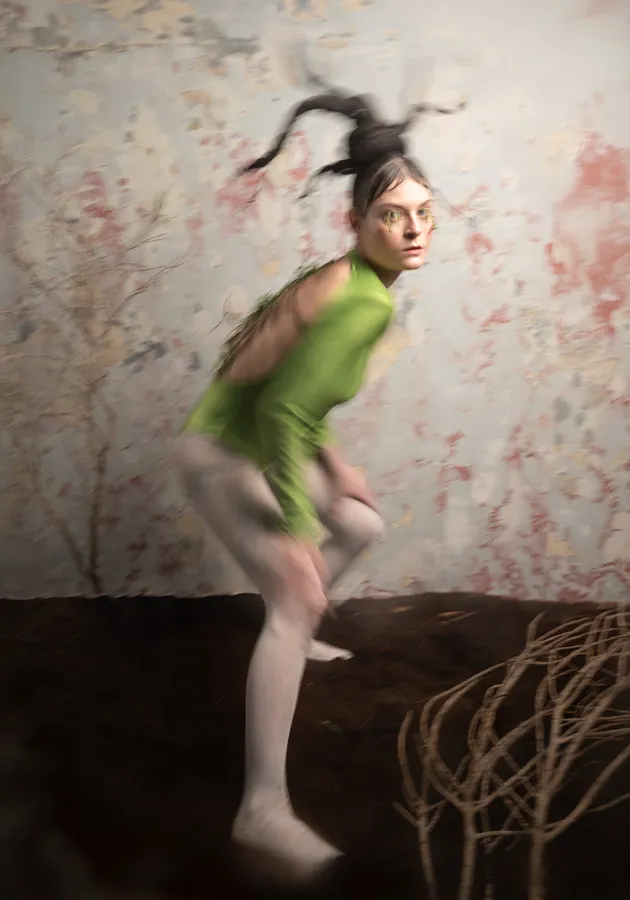
The inner contradiction gradually extends beyond the body and spreads into space. Natural landscapes, ruins, and architectural fragments cease to function as neutral backgrounds and become extensions of the psyche. The thread passes through the body, the portrait, and the environment, dissolving the boundary between the internal and the external. Space begins to behave like memory: it accumulates traces, repetitions, knots, and ruptures that cannot be fully ordered.
The series also questions the possibility of achieving a final reconciliation with oneself. It offers no moment in which contradiction disappears and a person attains perfect inner harmony. Integration here does not mean the elimination of conflict. It means the capacity to endure the simultaneous presence of incompatible feelings, desires, and modes of behaviour without attempting to declare one part authentic and the other alien.
The image of a fingerprint brings this exploration to a close. Light and dark lines form a single, unique mark through which a person can be recognized. No individual line contains their identity; it emerges only from the pattern they create together. The phrase The Same… does not assert the unchanging nature of a person. Instead, it points to the shared origin of their contradictory manifestations.
The Same Thread understands wholeness not as inner purity or the absence of conflict, but as the ability to remain oneself through an ongoing process of division, mutual permeation, and change. A person does not exist on the light or dark side. They emerge in the tension between them—in that same thread that simultaneously separates, connects, and holds them together.