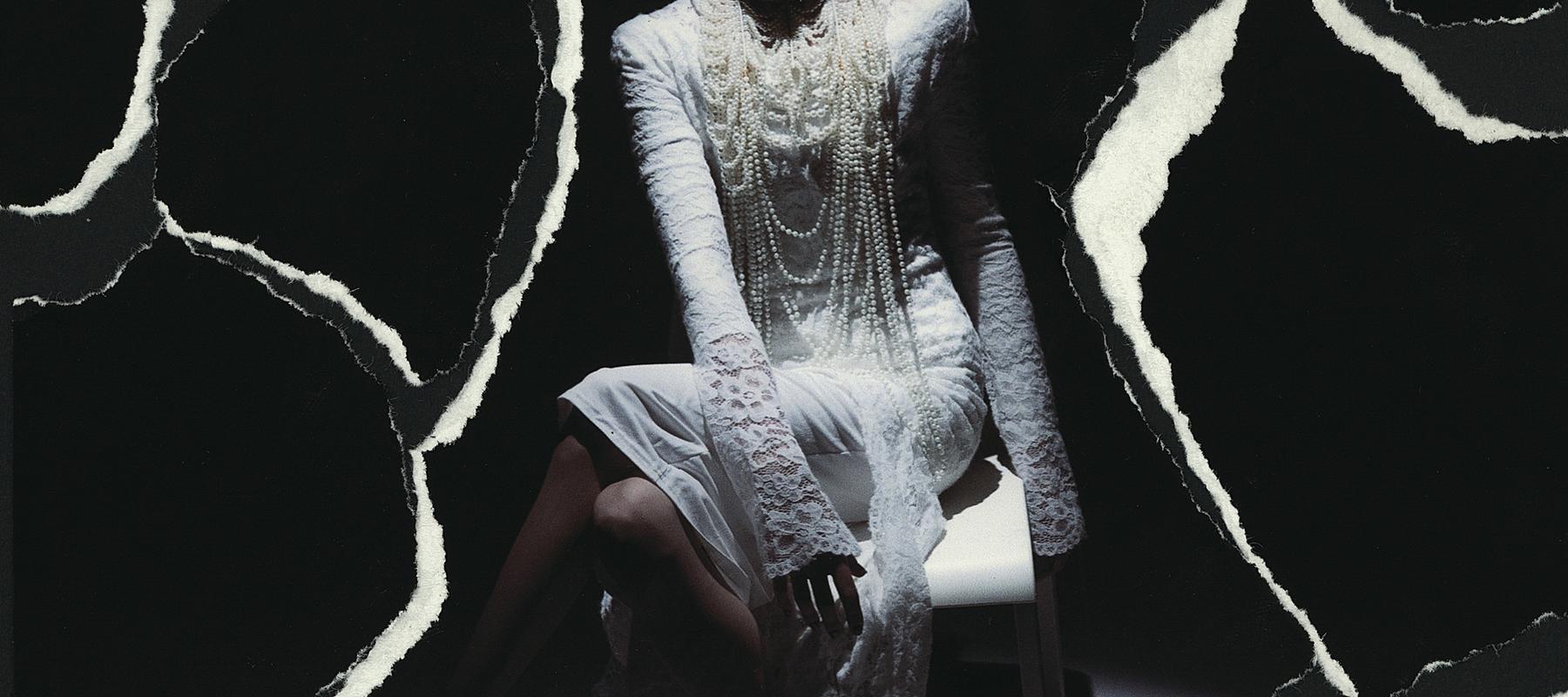
FORM'S
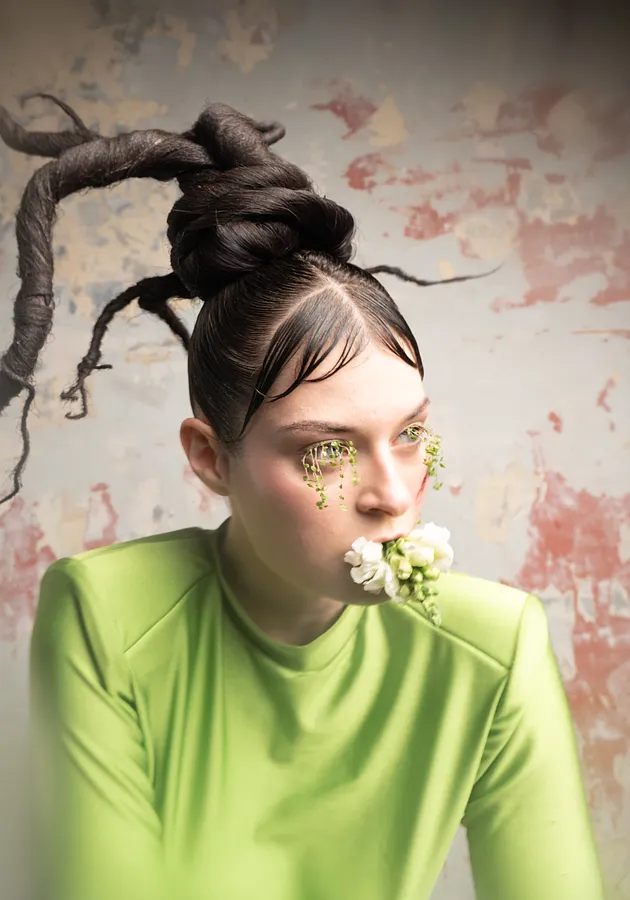
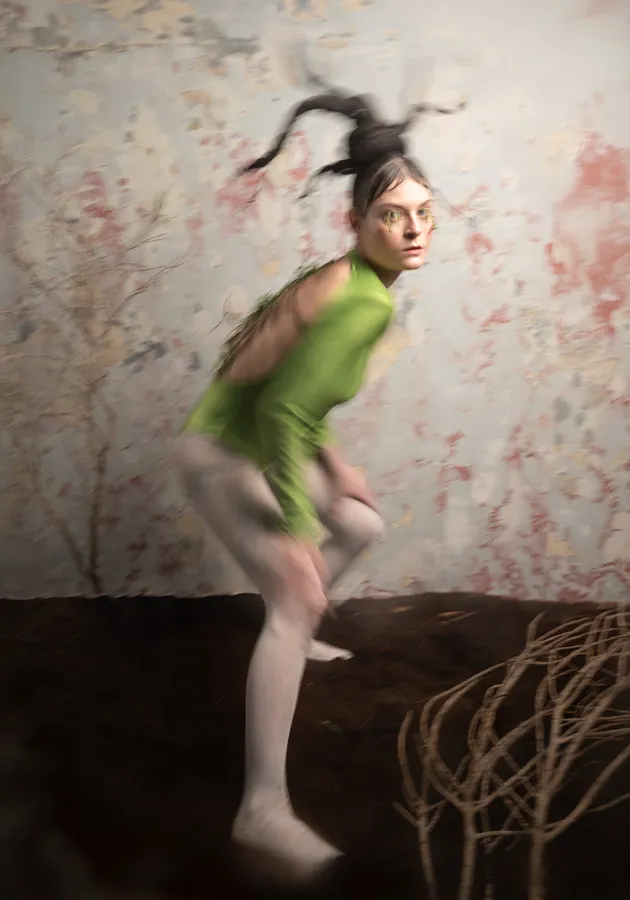
The series examines form not as the external contour of the human body, but as a system through which a person sustains a sense of continuity. At the outset of the project lies the question: what allows a person to remain themselves when their visible image changes, disintegrates, becomes obscured, or is reassembled? Does identity exist independently of form, or does it emerge anew through the very process of transformation?
Within this research, the concept of the “core” does not refer to a hidden, immutable essence or an authentic face waiting to be uncovered beneath external layers. Rather, it concerns the continuity of human experience—the capacity to recognise oneself across different physical, psychological, and social states. A person remains the same not by avoiding change, but by incorporating it into their own structure. Their integrity is formed not in spite of damage and displacement, but through them.
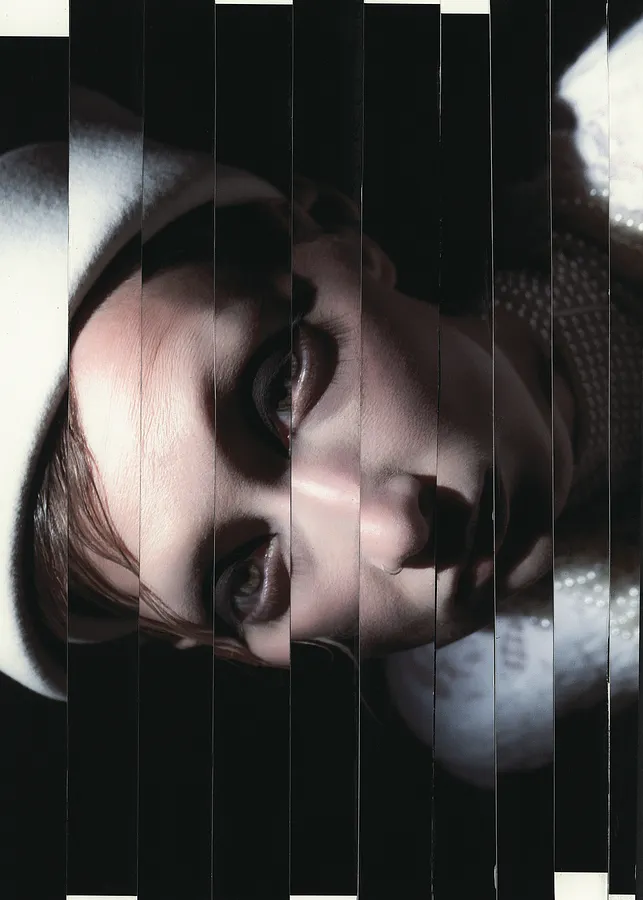
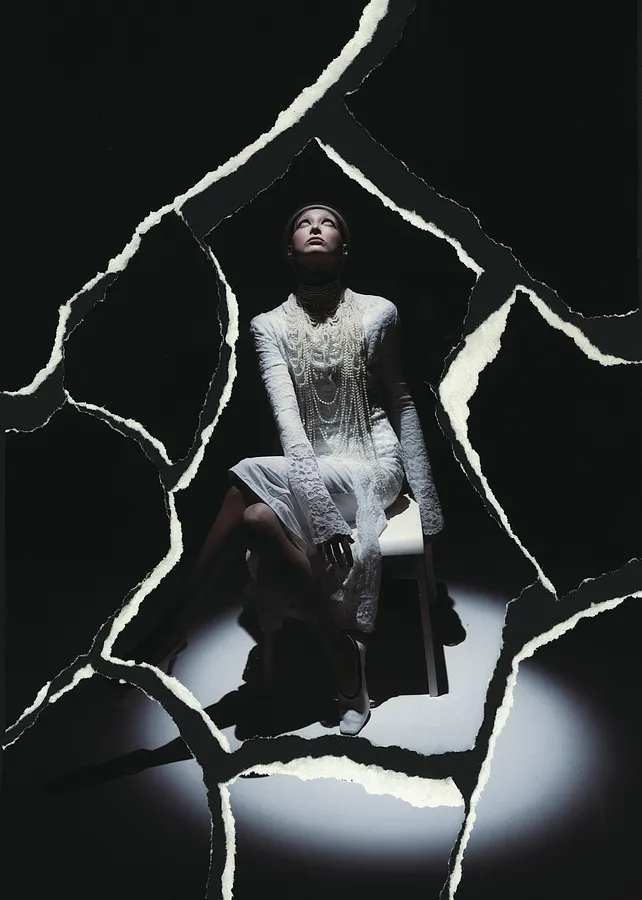
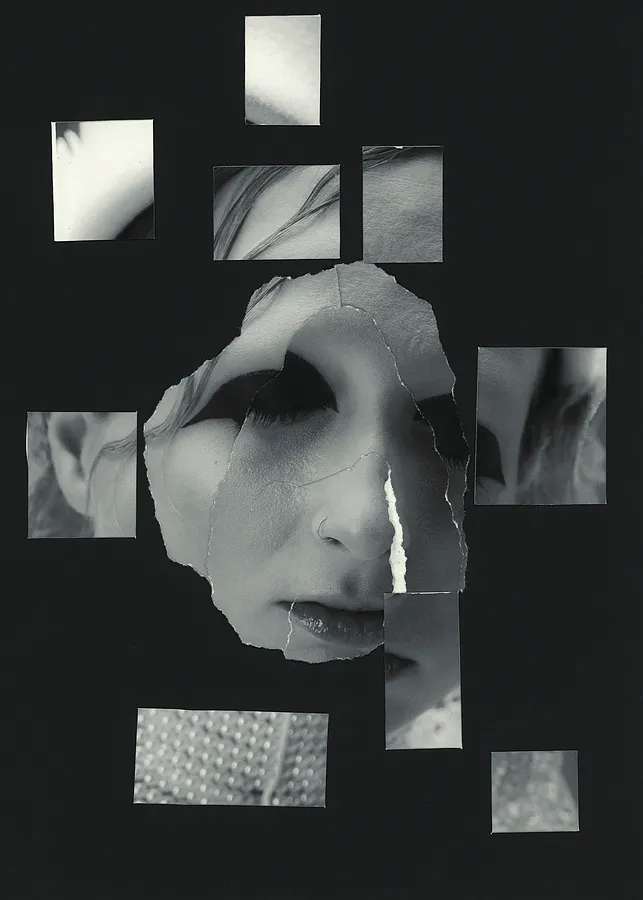
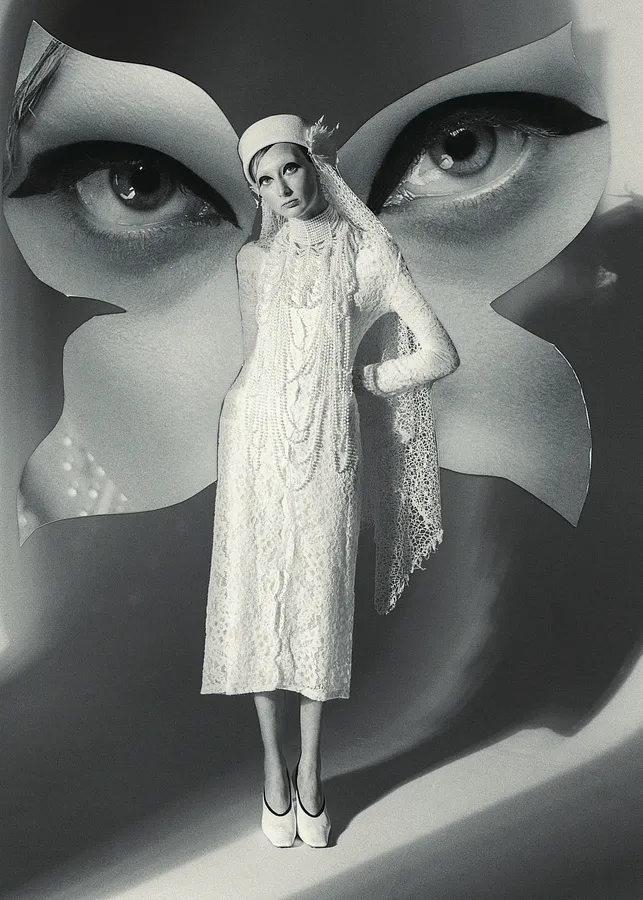
The photographic portrait is traditionally understood as a means of fixing a person in time, preserving their likeness, and lending stability to their image. In this series, that function of photography is deliberately disrupted. The image is torn, cut, obscured, rescaled, and reassembled. The face and body cease to exist as complete images and become mutable constructions. Yet despite these interventions, the presence of the person does not disappear. It persists within fragments, gaps, repetitions, and partially concealed forms.
Mixed media is not a decorative addition to photography, but the primary method of investigation. The physical manipulation of the image's surface becomes an analogue for the impact of experience on the individual. Tearing alters the boundaries of the image; segmentation disrupts its anatomical and spatial logic; overlapping restricts access to parts of the self; reassembly produces a new configuration from already altered elements. The material retains traces of every intervention, making each transformation impossible to fully reverse.
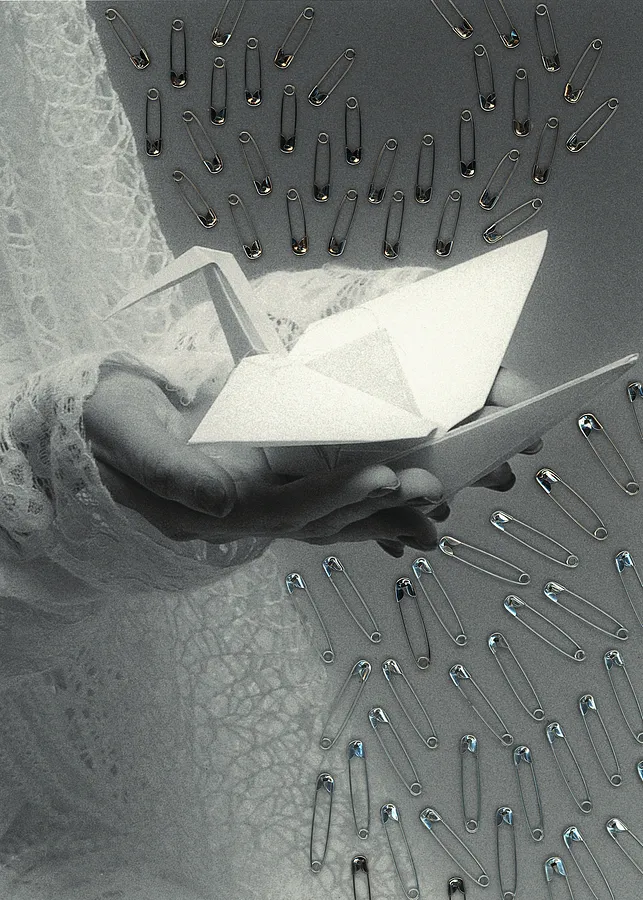
The human figure in this series is not presented as a passive object of these processes. Alongside destruction, attempts emerge to control change, repair what has been damaged, and protect what remains vulnerable. Threads, pins, folds, and additional layers function as means of holding a form together, reconnecting its parts, or establishing a boundary between the internal and the external. Yet these mechanisms do not restore the image to its original state. Instead, they become new elements of its structure.
This constitutes the central contradiction of the project. Repair does not erase damage; it makes it visible through the seam. Control does not merely stabilise; it also restricts movement. Protection safeguards the inner self, but simultaneously conceals it from others and can become a form of isolation. Every attempt to preserve oneself inevitably transforms the very self it seeks to preserve.
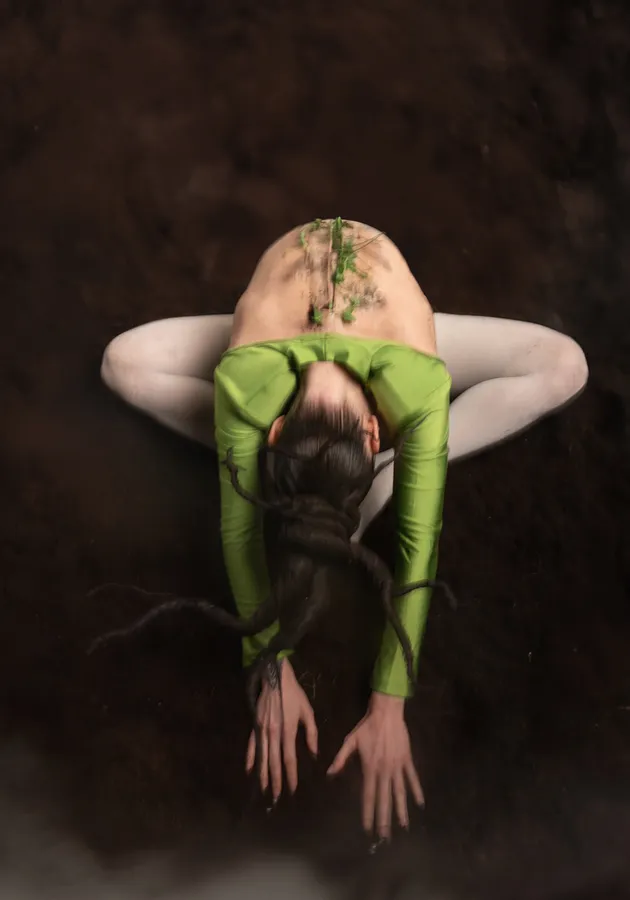
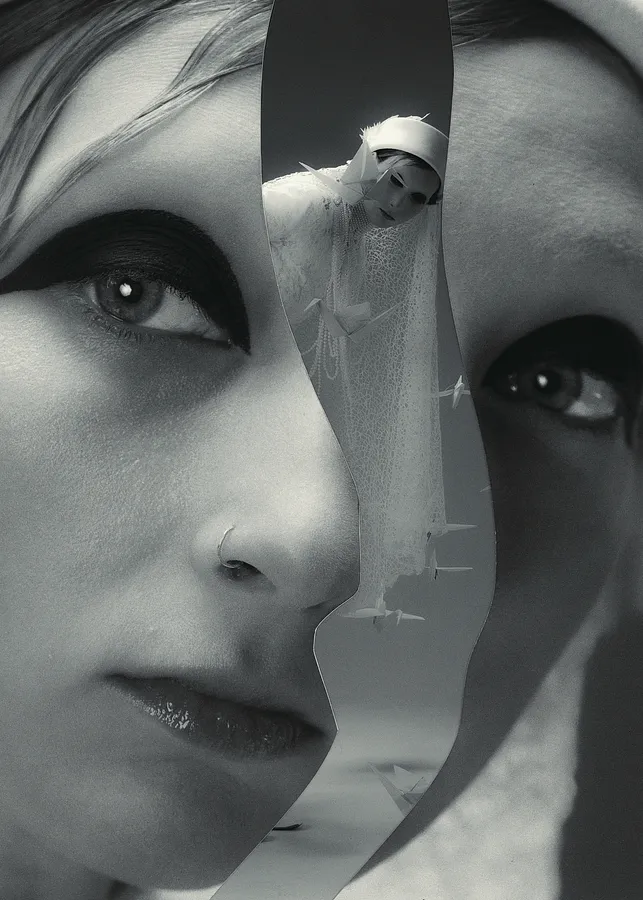
The origami figures extend this logic through the principle of folding itself. The sheet retains its material substance while assuming a new form through a sequence of creases. A return to an entirely flat surface is no longer possible: even when unfolded, the paper retains the lines of its previous configurations. Human identity, likewise, carries the memory of every state through which it has passed. The past does not exist separately from the present form; it remains embedded within it as structure.
The fragmentation of the image also transforms the viewer's position. Deprived of the ability to perceive the portrait in its entirety, the viewer is compelled to mentally reconstruct its missing parts and establish connections between them. Yet any such reconstruction remains incomplete. The series questions the very possibility of fully accessing another person: their image is always formed between what they reveal, what they protect, and what the viewer attempts to fill in through their own experience.
The project does not propose a return to an original, undamaged form. Instead, it considers integrity not as the absence of fractures, but as the capacity to exist alongside them. The human being emerges not as a finished image, but as a continuous process of reconfiguration: changing, attempting to govern that change, restoring disrupted connections, and constructing new protective structures. The core persists not through immutability, but through the continuous capacity to become oneself again.
Form's, 11
Form's, 07
Form's, 14
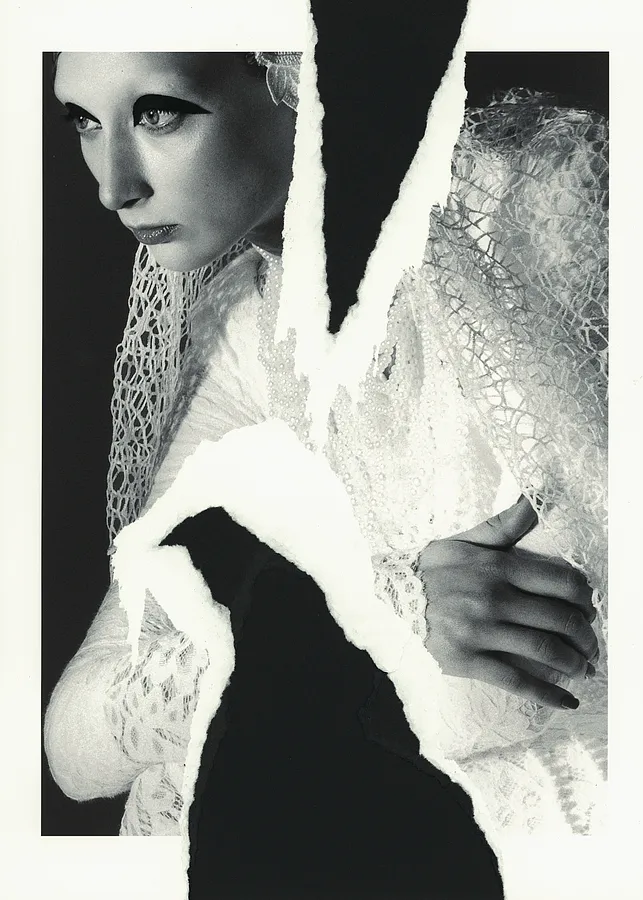
Form's, 01
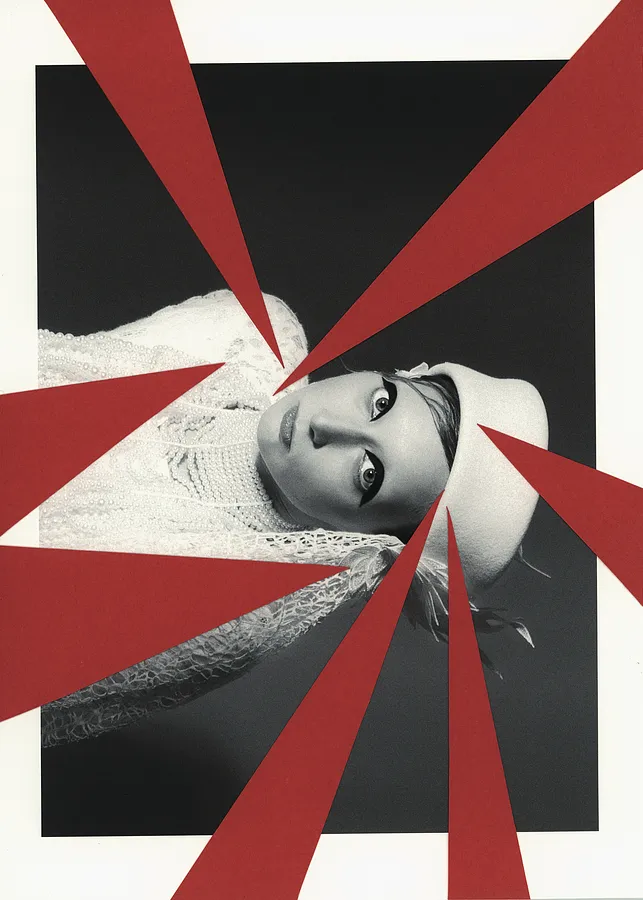
Form's, 02
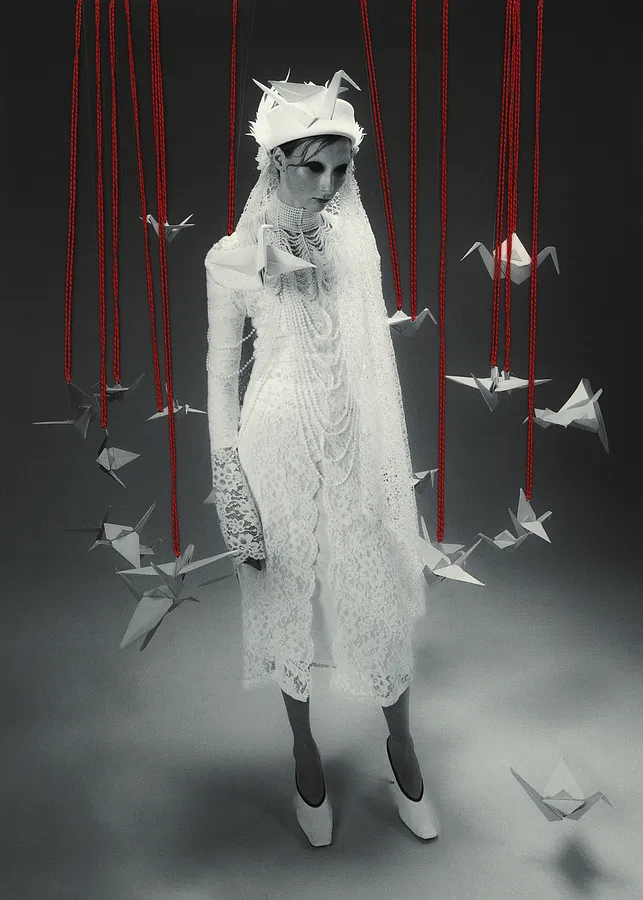
Form's, 03
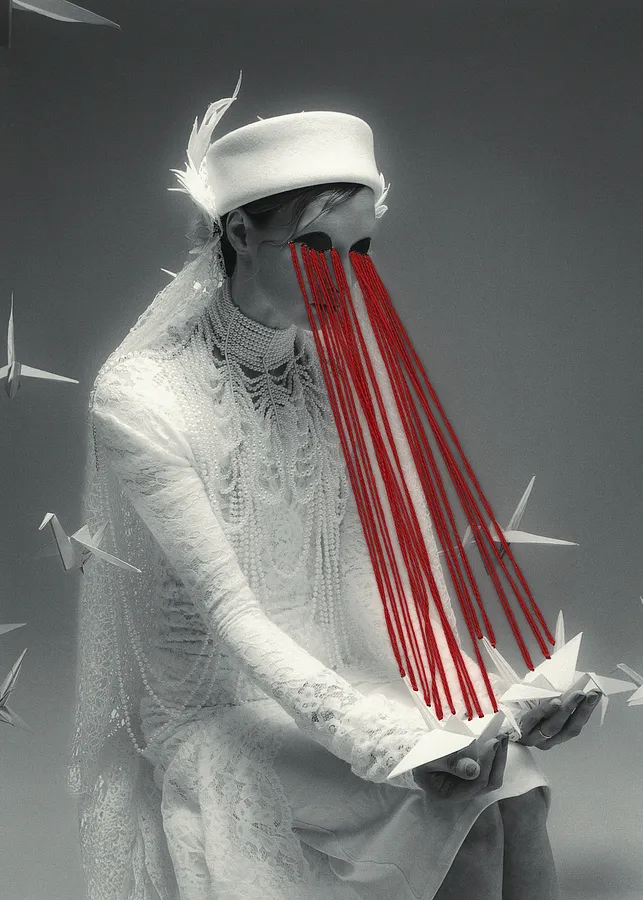
Form's, 04
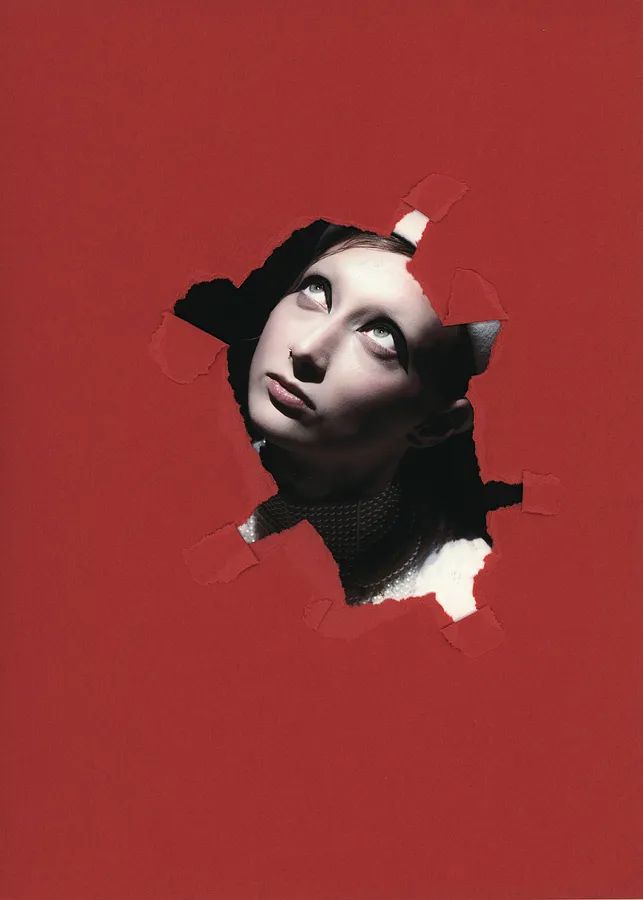
Form's, 05
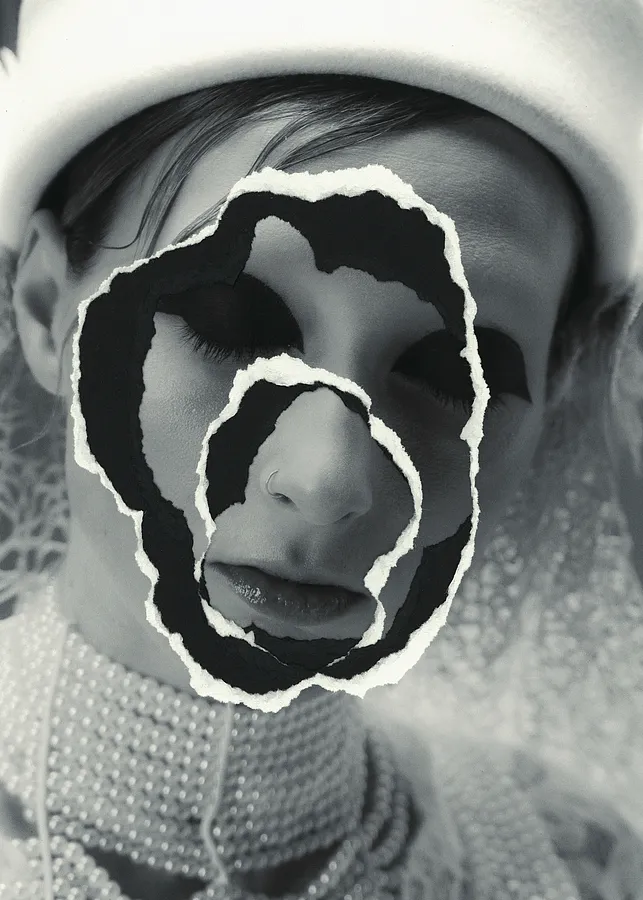
Form's, 06
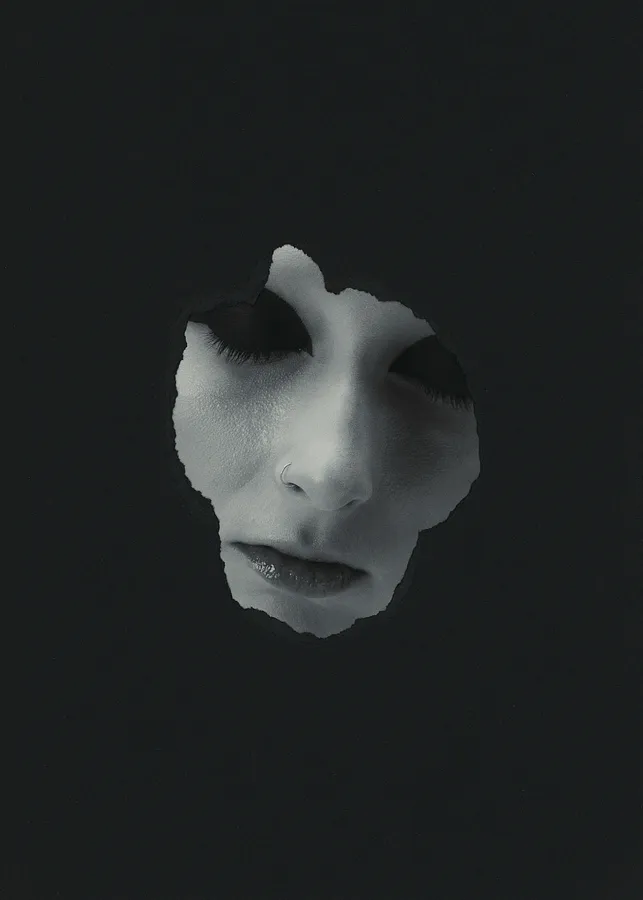
Form's, 08
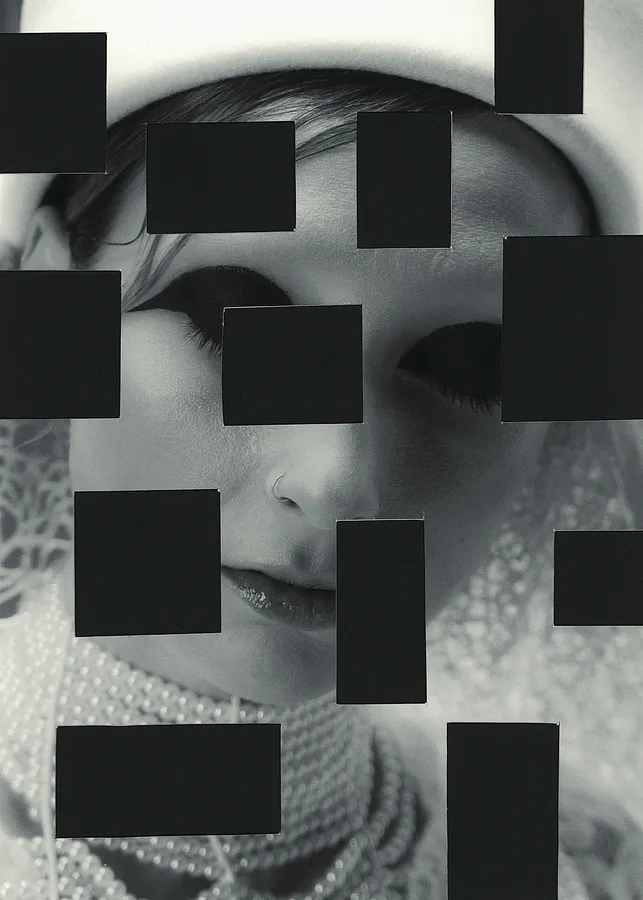
Form's, 09
Form's, 10
Form's, 12